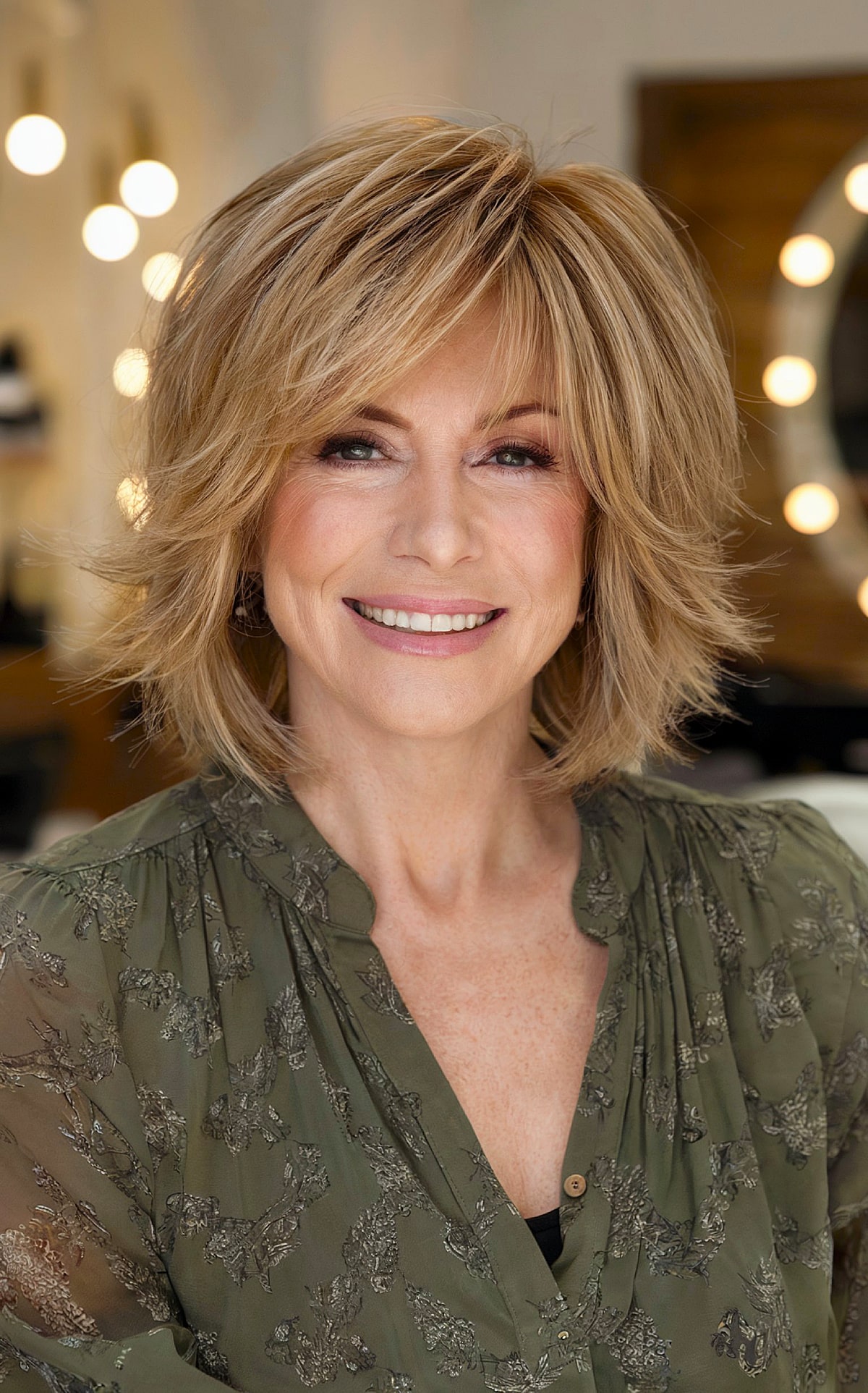
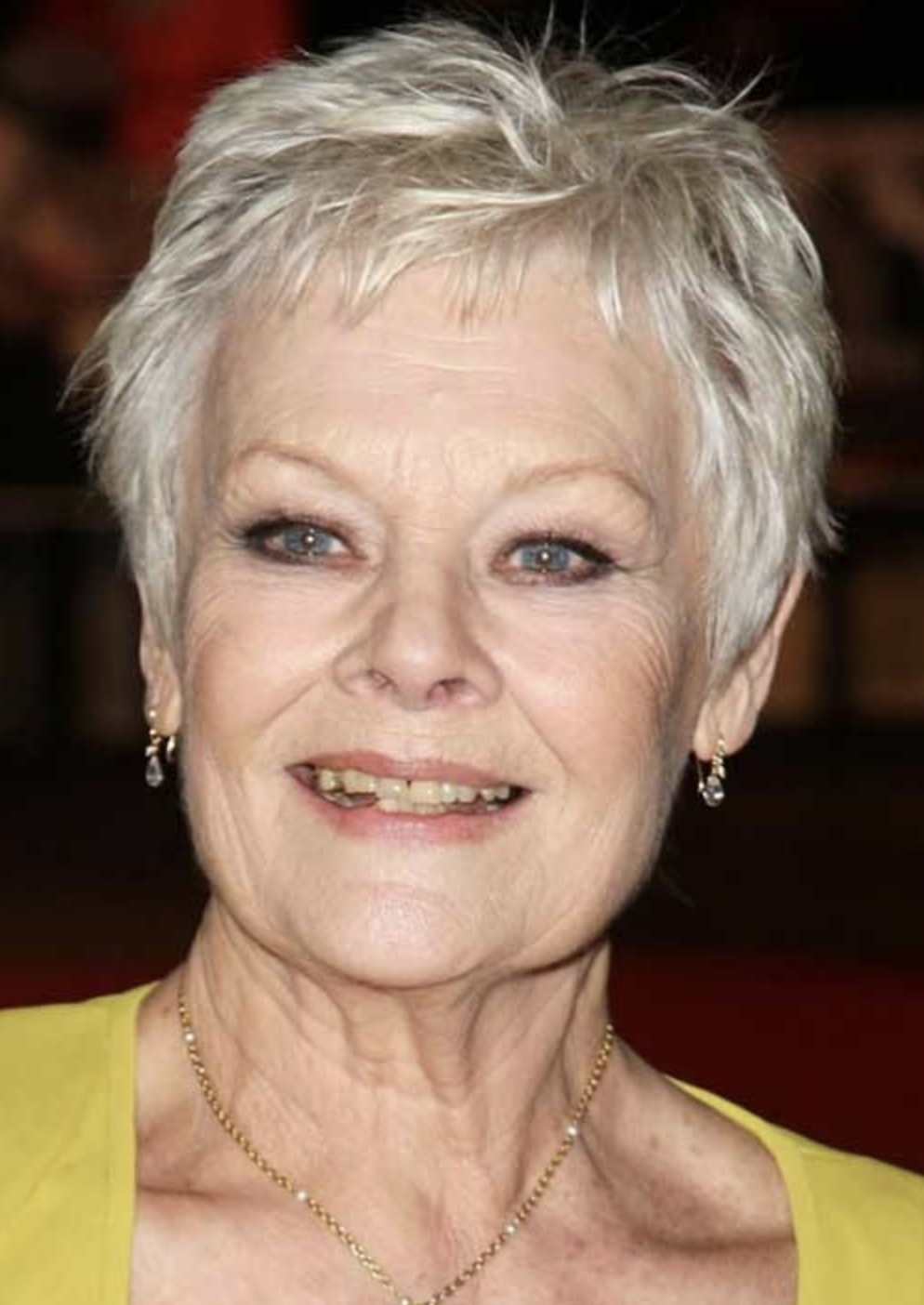
The interplay of light and dark strands woven throughout the hair creates depth and dimension. This technique involves strategically placing lighter shades, such as golden blonde, honey, or strawberry, against a darker base of brown or red. The result is a vibrant, multi-tonal effect that can range from subtle shimmer to bold contrast.
Dimensional color adds visual interest and texture, giving the illusion of fuller, more voluminous hair. It can complement various skin tones and hair lengths, offering a customizable approach to enhancing one’s natural features. Historically, highlighting techniques have evolved from simple sun-kissed streaks to complex, multi-dimensional coloring processes, reflecting changing beauty standards and technological advancements in hairdressing. This customization allows individuals to express personal style and preferences, whether pursuing a natural, sun-kissed look or a more dramatic, avant-garde statement.
This exploration will further delve into the various types of highlighting techniques, suitable hair types and textures, maintenance and care for colored hair, and selecting the right shades to achieve desired outcomes. It will also touch upon the latest trends in hair coloring and offer guidance on choosing a qualified stylist.
1. Color Selection
Color selection represents a pivotal aspect of achieving harmonious and aesthetically pleasing multi-tonal hair. The relationship between chosen highlight shades and the base hair color significantly impacts the overall result. A skilled colorist considers factors such as skin tone, eye color, and natural hair color when recommending highlight shades. For example, individuals with cool skin tones often benefit from ashy or platinum blonde highlights, while those with warm skin tones might opt for golden or honey hues. Choosing highlights that complement the base color, rather than clashing, is crucial. Attempting to lighten dark brown hair to a very pale blonde in a single session can lead to brassy tones or damage. A gradual lightening process, using strategically chosen intermediate shades, yields superior results. The interplay of warm and cool tones can create depth and dimension. Introducing subtle red highlights into brown hair adds warmth, while cool-toned blonde highlights can create striking contrast. Highlight placement further influences the final outcome, concentrating color around the face for a brightening effect or distributing it evenly for a more natural appearance.
Harmonious color selection avoids undesirable outcomes such as brassiness, overly contrasting streaks, or a washed-out appearance. Understanding the color wheel and principles of color theory aids in creating balanced and visually appealing results. For example, adding red highlights to hair with a naturally reddish undertone might intensify the redness excessively, while introducing cool-toned highlights can create a more balanced and nuanced result. Furthermore, color selection must consider hair health. Previously colored or chemically treated hair may require gentler lightening processes to avoid damage. Opting for highlights a few shades lighter than the base color minimizes stress on the hair shaft.
Effective color selection hinges on careful consideration of natural coloring, desired outcome, and hair health. Professional consultation ensures personalized color choices and application techniques, resulting in a harmonious blend of tones and a visually stunning result. The proper selection of highlights elevates the overall aesthetic, enhancing natural features and expressing individual style. Successfully navigating this crucial step contributes to a polished and professional look, whether aiming for a subtle shimmer or a dramatic transformation.
2. Placement Technique
Placement technique significantly influences the final appearance of dimensional hair color. Strategic placement dictates how light interacts with the base color, shaping the overall effect. Techniques range from precise foil highlights, creating uniform streaks, to freehand techniques like balayage, offering a softer, more natural transition between colors. The chosen technique directly impacts the intensity and distribution of highlights. For example, finely woven foil highlights create a brighter, more dramatic effect compared to the subtle, sun-kissed look achieved through balayage. The interplay between base color and highlight placement determines whether the outcome appears natural or intentionally styled. Consider a client with dark brown hair: strategically placed caramel highlights around the face can create a framing effect, brightening the complexion. Alternatively, a scattering of lighter blonde highlights throughout the lengths can mimic the natural lightening caused by sun exposure.
Understanding the effects of different placement techniques empowers informed decisions aligned with desired aesthetic goals. Foil highlights offer precision and control, ideal for clients seeking uniform color saturation and lift. Balayage provides a softer, blended result, suitable for those desiring a low-maintenance, natural look. Another technique, babylights, involves highlighting very fine sections of hair, mimicking the natural highlights seen in children’s hair. The choice of placement technique also interacts with hair texture and cut. Curly hair diffuses light differently than straight hair, influencing how highlights appear. Similarly, layering within a haircut interacts with highlight placement, creating movement and depth.
Highlight placement constitutes a crucial element within the broader context of multi-tonal hair color. Its impact extends beyond mere aesthetics, affecting overall style and maintenance requirements. Skilled application of placement techniques allows professionals to craft personalized looks, complementing individual features and preferences. Successful placement hinges on a thorough understanding of color theory, hair texture, and desired outcomes. Challenges can arise from improper technique, resulting in uneven color distribution, banding, or an unnatural appearance. Careful consideration of these factors ensures a cohesive, well-executed final result, enhancing natural beauty and creating a polished, professional image.
3. Hair Health
Maintaining optimal hair health is paramount when considering multi-tonal coloring processes. The chemical processes involved in lightening and depositing color can compromise hair integrity if not approached with care. Understanding the relationship between hair health and highlighting allows for informed decisions that minimize damage and maximize color longevity and vibrancy. Prioritizing hair health ensures the desired aesthetic outcome remains achievable and sustainable.
-
Pre-Color Assessment
A thorough assessment of hair condition prior to any chemical service is crucial. Porosity, elasticity, and existing damage influence how the hair will react to the highlighting process. Hair with high porosity, for instance, may absorb color unevenly, while hair with low elasticity is more prone to breakage. Addressing existing damage through protein treatments or deep conditioning prior to highlighting minimizes further compromise.
-
Gentle Lightening Processes
Opting for less aggressive lightening methods minimizes stress on the hair shaft. Gradual lightening over multiple sessions, rather than a drastic single-process approach, preserves hair integrity. Lower-volume developers and ammonia-free lighteners are gentler alternatives, albeit requiring more time to achieve the desired lift. This approach mitigates damage, particularly crucial for those with fine or previously treated hair.
-
Post-Color Care
Maintaining vibrant, healthy-looking highlights requires a dedicated post-color care regimen. Utilizing color-safe shampoos and conditioners, free of sulfates and harsh detergents, helps preserve color vibrancy and prevent premature fading. Regular deep conditioning treatments replenish moisture and strengthen the hair, counteracting the drying effects of chemical processing. Incorporating leave-in conditioners and heat protectants further shields hair from environmental stressors and heat styling damage.
-
Professional Expertise
Seeking the expertise of a qualified stylist is essential for maintaining hair health throughout the highlighting process. A skilled stylist understands the nuances of color theory, hair chemistry, and proper application techniques. They can assess individual hair needs and recommend appropriate products and treatments to minimize damage and achieve desired results. Professional guidance ensures the chosen highlighting process aligns with the client’s hair type and condition, promoting long-term hair health.
The synergy between hair health and highlighting practices is undeniable. Healthy hair provides the optimal canvas for achieving vibrant, long-lasting color, while neglecting its health compromises both the aesthetic outcome and the structural integrity of the hair itself. Prioritizing these facets contributes to a successful highlighting experience, ensuring the desired results are both beautiful and sustainable.
4. Maintenance Routine
Maintaining the vibrancy and health of multi-tonal hair color, particularly blonde, brown, and red highlights, requires a dedicated maintenance routine. This routine goes beyond standard hair care practices and addresses the specific needs of color-treated hair, ensuring longevity and minimizing undesirable effects like fading, brassiness, or dryness. A well-structured maintenance routine preserves the stylist’s initial work and sustains the desired aesthetic over time.
-
Cleansing
Utilizing color-safe shampoos and conditioners, formulated without sulfates and harsh detergents, is crucial. These specialized products help maintain color vibrancy and prevent premature fading or color shifting. Sulfates, commonly found in conventional shampoos, strip away color molecules, leading to dullness and brassiness, particularly noticeable in blonde and red highlights. Color-safe formulas cleanse gently while preserving the integrity of the artificial pigments, extending the life of the color.
-
Conditioning
Regular deep conditioning treatments are essential for replenishing moisture and strengthening hair weakened by chemical processing. Lightening, a key component in creating highlights, can strip the hair of its natural oils and proteins, leaving it dry, brittle, and prone to breakage. Deep conditioners, rich in moisturizing agents and reparative proteins, help restore hydration and elasticity, improving overall hair health and manageability. This is particularly important for maintaining the health and shine of highlighted hair, which can be more susceptible to damage.
-
Toning
Toning, particularly relevant for blonde and highlighted hair, neutralizes unwanted undertones and maintains desired color balance. Blonde highlights, especially on a darker base, can develop brassy or yellow tones over time due to oxidation and mineral buildup from water. Purple or blue-toned shampoos and conditioners counteract these warm tones, restoring coolness and brightness. Regular toning, as advised by a stylist, helps maintain the desired shade and prevents color distortion.
-
Heat Protection
Minimizing heat styling and utilizing heat protectants safeguards hair from further damage. Heat can exacerbate dryness and accelerate color fading, especially in highlighted hair, which is already more porous and susceptible to damage. Applying a heat protectant spray or serum before using hot tools like flat irons or curling irons creates a barrier, minimizing heat penetration and reducing damage. Embracing air-drying whenever possible further contributes to hair health and color longevity.
Adhering to a comprehensive maintenance routine is essential for preserving the vibrancy and health of blonde, brown, and red highlights. Each element of the routine contributes to prolonging the life of the color, minimizing damage, and ensuring the desired aesthetic remains intact. Neglecting these practices can lead to premature fading, unwanted color shifts, dryness, and breakage, ultimately compromising the overall look and feel of the hair. Consistent maintenance supports the investment made in professional coloring services and ensures long-lasting, beautiful results.
5. Professional Consultation
Achieving desired results with blonde, brown, and red hair highlights necessitates professional consultation. A thorough consultation with a qualified stylist forms the foundation for a successful coloring experience, minimizing risks and maximizing the potential for a personalized, flattering outcome. This collaborative process ensures the chosen colors, techniques, and aftercare align with individual needs and expectations.
-
Personalized Color Selection
Stylists possess expertise in color theory and understand the interplay of tones, undertones, and base color. They analyze skin tone, eye color, and natural hair color to recommend highlight shades that harmonize and complement existing features. For example, a stylist might suggest warm, golden highlights for a client with olive skin and dark brown hair, while recommending cool, ashy tones for someone with fair skin and light brown hair. This personalized approach avoids generic solutions and ensures the chosen colors enhance natural beauty.
-
Technique Recommendation
Highlighting techniques, ranging from traditional foils to balayage and babylights, each offer distinct aesthetic effects. A stylist considers hair type, texture, desired outcome, and lifestyle to recommend the most suitable technique. Balayage, for instance, might be recommended for clients seeking a low-maintenance, natural look, while foil highlights might be preferred for achieving precise, uniform color placement. This tailored approach ensures the chosen technique aligns with individual preferences and desired results.
-
Hair Health Assessment
Professional stylists evaluate hair health, considering factors like porosity, elasticity, and previous chemical treatments. This assessment informs product selection and application techniques, minimizing potential damage and maximizing color longevity. For example, a stylist might recommend a gentler lightening process for hair that has been previously colored or chemically treated, preventing further stress and breakage. Prioritizing hair health ensures sustainable and aesthetically pleasing results.
-
Maintenance Guidance
Professional consultation extends beyond the initial coloring service. Stylists provide personalized maintenance recommendations, including product suggestions and frequency of toning treatments, to preserve color vibrancy and hair health. This guidance empowers clients to maintain their desired look at home and address potential issues like brassiness or fading. A proactive maintenance plan sustains the investment made in professional coloring services.
Professional consultation serves as an invaluable resource throughout the entire highlighting process, from initial color selection to long-term maintenance. This collaborative approach ensures personalized results that enhance natural beauty and align with individual preferences. The expertise of a qualified stylist safeguards hair health, optimizes color choices, and provides a tailored maintenance strategy, maximizing the longevity and vibrancy of blonde, brown, and red hair highlights.
Conclusion
Strategic placement of blonde, brown, and red highlights offers a versatile approach to enhancing natural hair color. Careful consideration of color selection, placement techniques, and hair health ensures optimal results. Professional consultation provides personalized guidance, maximizing the potential for a flattering and harmonious outcome. Maintenance plays a crucial role in preserving color vibrancy and overall hair health, ensuring long-lasting results.
Achieving and maintaining multi-tonal hair color requires a comprehensive approach, encompassing professional expertise, personalized techniques, and diligent aftercare. This multifaceted approach empowers individuals to express personal style while preserving the integrity and health of their hair. The ongoing evolution of hair coloring techniques and products promises further innovation and possibilities within the realm of dimensional hair color.