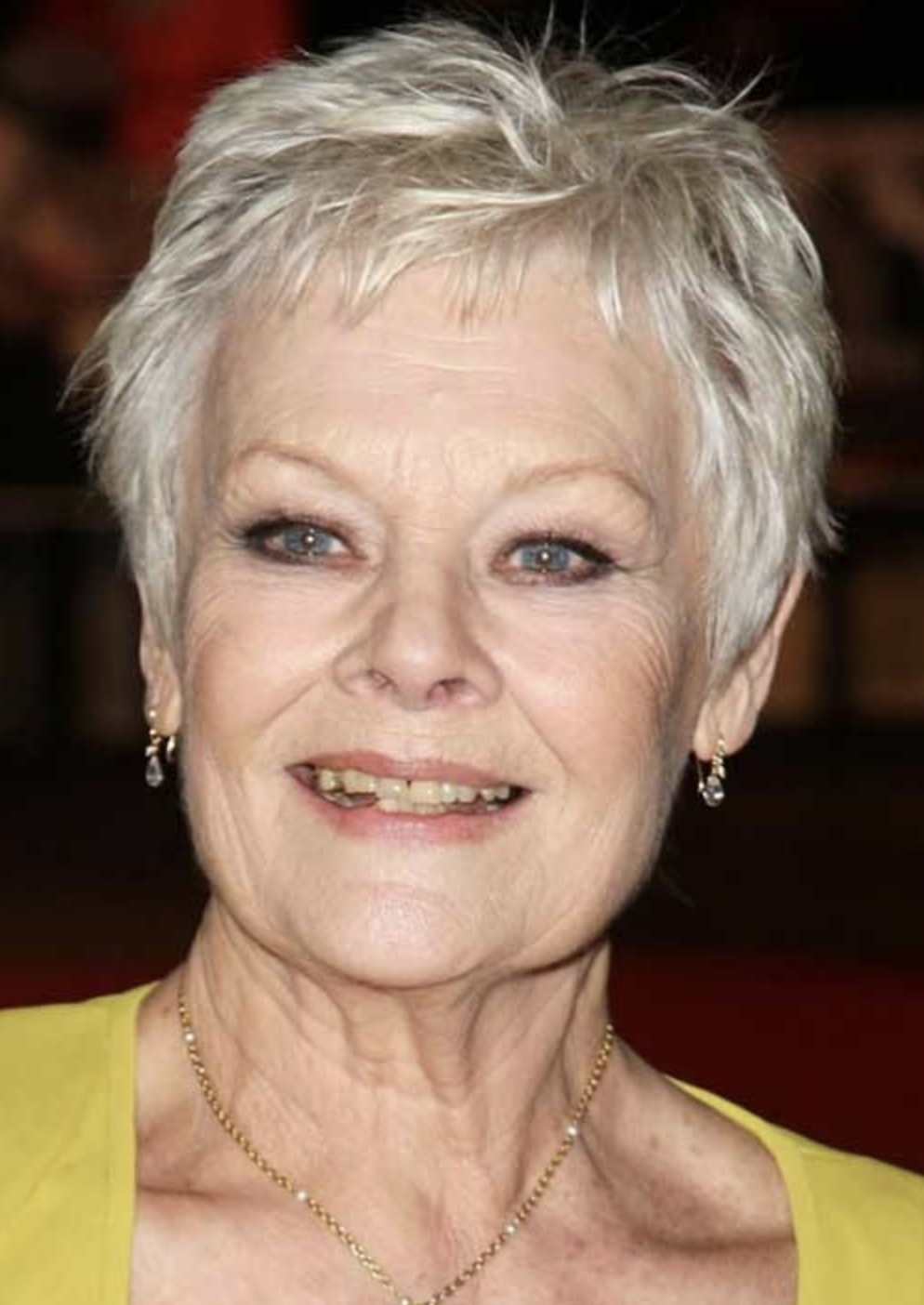
Short, cropped hairstyles, often with layered or textured elements around the crown and tapered sides and back, offer a stylish and practical option for individuals as they age. These styles can range from gamine and closely cropped to slightly longer, wispier variations, allowing for personalization based on face shape, hair texture, and individual preferences.
Such styles can be particularly appealing due to their ease of maintenance and ability to create a youthful, vibrant appearance. They can add volume to thinning hair and require less styling time than longer hairstyles. Furthermore, these cuts have a long history of being associated with sophisticated, confident women, adding a touch of timeless chic.
The following sections will delve into specific styling options, advice on choosing the right cut for different face shapes and hair textures, and tips for maintaining these looks.
1. Face Shape
Face shape plays a crucial role in determining whether a pixie cut will be flattering. A well-chosen pixie can accentuate positive features and soften less desirable ones. For instance, a round face benefits from height and definition at the crown, creating an illusion of length. Therefore, a stylist might recommend a pixie with textured layers on top and shorter sides. Conversely, a long face requires the opposite approach: softening the sharp angles and adding width. A pixie with a fuller fringe or wispy side-swept bangs can achieve this balance. Ignoring face shape can result in a cut that appears disproportionate or emphasizes features one might prefer to downplay.
Oval faces are considered the most versatile, generally suiting a wider range of pixie styles. However, even with an oval shape, considerations such as forehead height or jawline prominence can influence the ideal cut. A high forehead can be balanced with a fringe, while a strong jawline might be softened with textured layers around the face. Square faces can benefit from a pixie that adds softness and curves, perhaps incorporating a side-swept fringe and layers that frame the face. The goal is to create a harmonious balance, not to rigidly adhere to prescribed rules.
Understanding the relationship between face shape and pixie cuts empowers individuals to make informed choices. Consulting with a skilled stylist who can assess face shape and recommend appropriate variations is highly recommended. Ultimately, the aim is to create a personalized pixie cut that enhances natural features and reflects individual style.
2. Hair Texture
Hair texture significantly influences the suitability and outcome of a pixie cut. Fine hair, for example, can appear limp and lifeless if cut too bluntly. A layered pixie, however, can create an illusion of volume and movement, making it a suitable choice for those with finer hair. Texturizing techniques, such as point cutting or razor cutting, can further enhance volume and create a more dynamic look. Conversely, thick hair can sometimes appear bulky or overwhelming in a pixie cut if not properly managed. Thinning shears can be used to reduce bulk and create a more manageable shape. A pixie cut on thick hair can also benefit from strategically placed layers to prevent it from looking too heavy or helmet-like. Ignoring hair texture can lead to a pixie cut that is difficult to style or falls flat, failing to achieve the desired aesthetic.
Curly hair presents unique considerations for pixie cuts. While traditionally associated with straight hair, pixie cuts can work beautifully with curly hair, provided the cut is tailored to the curl pattern. A stylist experienced with cutting curly hair can create a pixie that embraces the natural texture, using the curls to create volume and shape. Cutting curly hair too short can result in an undesirable pouf or excessive volume. Maintaining the proper length and shape is essential for a successful curly pixie. Wavy hair can also be styled into a pixie, offering a range of styling options from tousled and textured to more polished and defined looks.
Understanding the interplay between hair texture and pixie cuts is paramount for achieving a flattering and manageable style. Matching the cutting technique and styling approach to the individual’s hair texture ensures a harmonious result. Consultation with a stylist experienced in working with various hair textures is highly recommended. This personalized approach ensures the pixie cut complements the individual’s natural hair characteristics, resulting in a style that is both stylish and easy to maintain.
3. Lifestyle
Lifestyle considerations play a significant role in determining the suitability of a pixie cut. An active lifestyle, for instance, might necessitate a wash-and-go style that requires minimal styling time. A shorter, more textured pixie can be ideal for those who frequently exercise or participate in activities that require a practical, low-maintenance hairstyle. Conversely, individuals with more formal or professional environments might prefer a pixie cut that offers greater styling versatility. A slightly longer pixie with a side-swept fringe can be adapted for various occasions, allowing for both professional polish and casual styling. The ability to easily transition from a workday look to an evening style makes this a versatile option for those with demanding schedules.
Travel frequency also influences hairstyle choices. A pixie cut generally requires fewer styling tools and products, making it a convenient option for those who travel frequently. The reduced need for extensive styling routines can be particularly appealing when access to familiar products or tools is limited. Furthermore, a well-maintained pixie can retain its shape even after long flights or days spent exploring, minimizing the need for constant touch-ups. However, even within the category of pixie cuts, certain variations might prove more travel-friendly than others. A shorter, more uniform pixie generally requires less maintenance than a longer, layered pixie, which might need more attention to maintain its shape.
Ultimately, the most suitable pixie cut aligns with individual lifestyle demands. Assessing daily routines, activity levels, and travel frequency informs the decision-making process. A practical approach involves considering the time commitment required for styling and maintenance, ensuring the chosen pixie cut integrates seamlessly into daily life. Balancing style preferences with practical considerations results in a hairstyle that is both flattering and functional, reflecting both personal aesthetics and lifestyle demands. Open communication with a stylist about lifestyle factors ensures the chosen pixie cut complements individual needs and routines.
Conclusion
Careful consideration of face shape, hair texture, and lifestyle needs are essential for successfully adopting shorter, cropped hairstyles. A personalized approach, often achieved through consultation with a skilled stylist, ensures the chosen style enhances individual features and reflects personal preferences, while accommodating practical demands. Understanding the nuances of these styles empowers informed decision-making, resulting in a look that is both stylish and manageable.
Ultimately, a thoughtfully chosen, well-maintained short hairstyle offers a timeless, sophisticated option that can be adapted to suit a variety of individual characteristics and lifestyles. Exploring the numerous variations within this style category allows individuals to discover a look that expresses confidence and individuality.