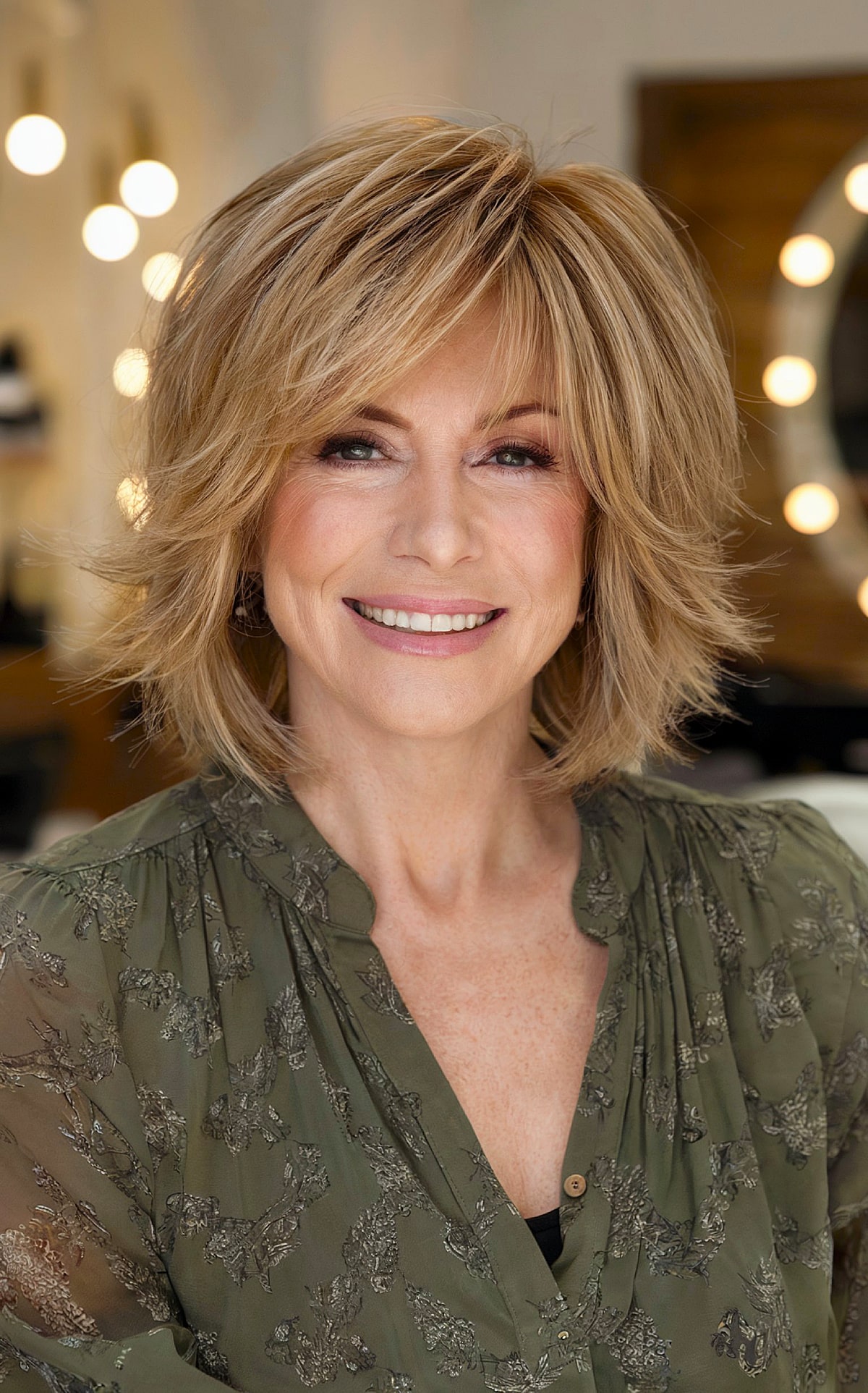
This style features choppy, layered cuts with varying lengths, typically falling between the chin and shoulders. Characterized by textured ends and often accompanied by bangs or face-framing layers, it creates a tousled, carefree appearance. Think of a style reminiscent of the 1970s, updated with modern techniques and styling options.
The adaptability of this cut allows for personalization based on face shape, hair texture, and individual style preferences. It can add volume to fine hair, create movement in thick hair, and soften angular features. Historically rooted in rock-and-roll culture, this look offers a versatile and effortlessly cool aesthetic that transcends fleeting trends. Its enduring popularity stems from its ability to balance structure and freedom, offering a look that is both stylish and low-maintenance.
Further exploration will delve into specific styling techniques, product recommendations, and variations suitable for different hair types and face shapes, offering a comprehensive guide to achieving and maintaining this iconic look.
1. Layered Structure
Layered structure forms the foundation of this hairstyle, contributing significantly to its characteristic texture and volume. The interplay of varying lengths creates movement and dimension, preventing the cut from appearing flat or heavy. Shorter layers at the crown build height, while progressively longer layers towards the perimeter add fullness and shape. This structured layering allows for personalized adaptations based on hair density and desired volume. For instance, individuals with fine hair can achieve a fuller appearance through strategically placed layers, while those with thicker hair can benefit from more pronounced layering to reduce bulk and enhance movement.
The efficacy of the layering technique hinges on careful execution. Improperly executed layers can result in an uneven, choppy appearance, detracting from the intended aesthetic. Skilled stylists employ specific cutting techniques, such as point cutting and slide cutting, to create seamless transitions between layers and achieve the desired texture. The angle and direction of the cut influence how the hair falls and interacts with adjacent layers, impacting the overall shape and movement of the style. Understanding the impact of layered structure allows for informed decisions regarding styling and maintenance, ensuring the longevity and desired appearance of the cut.
In summary, the layered structure provides the framework for a successful medium-length shag. Its importance lies in its ability to create volume, movement, and texture, ultimately shaping the overall aesthetic. A thorough understanding of this element allows for informed collaboration with stylists, resulting in a personalized and well-executed style. This knowledge empowers individuals to maintain and style their hair effectively, maximizing the impact and longevity of this versatile cut.
2. Textured Ends
Textured ends are integral to the distinctive aesthetic of medium-length shag hairstyles. This characteristic contributes significantly to the overall tousled, effortless appearance that defines the style. Achieving this texture often involves specific cutting techniques, such as point cutting or razor cutting, which create variations in hair length at the ends. This deliberate unevenness generates visual interest and movement, preventing the style from appearing blunt or heavy. The interplay of light and shadow on these textured ends further enhances the depth and dimension of the overall look. Consider the contrast between a blunt cut, which can appear solid and static, and a shag with textured ends, which exhibits dynamic movement and a more lived-in feel. This distinction highlights the importance of textured ends in achieving the signature shag aesthetic.
The degree of texturizing can be adjusted to suit individual hair types and desired outcomes. For those with finer hair, subtle texturizing can create the illusion of fullness without compromising length. Conversely, thicker hair can tolerate more pronounced texturizing to remove weight and enhance movement. For example, individuals with naturally straight hair might opt for more aggressive texturizing to create a piecey, separated look, while those with wavy or curly hair might prefer a lighter approach to maintain natural curl definition. Understanding the impact of texturizing on different hair types allows for informed decisions regarding the desired level of texture, leading to a more personalized and successful outcome.
In summary, textured ends serve as a defining characteristic of medium-length shag hairstyles. They contribute significantly to the overall tousled, effortless aesthetic by creating movement, dimension, and visual interest. Careful consideration of hair type and desired outcome allows for tailored texturizing techniques, resulting in a personalized style that maximizes the impact of this key element. This understanding empowers individuals to communicate effectively with stylists and achieve a look that complements their individual features and preferences.
3. Versatile Length
The “medium” in “medium-length shag hairstyles” signifies more than just a measurement; it represents a range of adaptable lengths contributing significantly to the style’s versatility. This adaptability allows the shag to complement diverse face shapes, hair textures, and personal preferences. Understanding this versatility is crucial for maximizing the style’s potential.
-
Adaptability to Face Shapes
The adjustable length of a medium shag allows stylists to tailor the cut to flatter various face shapes. For instance, longer layers around the face can soften angular features of a square face, while shorter layers can add fullness to a narrow face. The mid-length range offers sufficient length for strategic layering, crucial for balancing facial proportions.
-
Suitability for Various Hair Textures
Medium-length shags work well with a variety of hair textures, from fine to thick, straight to wavy. The length allows for adjustments in layering and texturizing techniques to suit each texture. For fine hair, the length provides enough weight to prevent excessive volume, while for thick hair, strategic layering removes bulk and enhances natural movement.
-
Styling Flexibility
The medium length offers a balance between manageability and styling versatility. It’s long enough for updos and braids while remaining short enough for easy washing and styling. This versatility allows individuals to adapt their look to different occasions and personal preferences, from sleek and polished to tousled and carefree.
-
Low Maintenance Potential
While regular trims are necessary to maintain the layered structure, the medium length generally requires less maintenance than longer hairstyles. Washing, drying, and styling are typically quicker and easier, making it a practical choice for individuals with busy lifestyles.
The versatile length inherent in medium-length shag hairstyles is essential to its adaptability and enduring appeal. This characteristic allows the style to be personalized to suit individual needs and preferences, contributing to its widespread popularity and timeless quality. The ability to balance aesthetics with practicality further solidifies the medium shag’s position as a versatile and enduring hairstyle choice.
4. Face-Framing Layers
Face-framing layers represent a crucial design element within medium-length shag hairstyles. These carefully crafted layers, typically starting around cheekbone level and cascading downwards, contribute significantly to the overall aesthetic and adaptability of the style. They function as a personalized frame, softening facial features and accentuating bone structure. The strategic placement of these layers directs attention towards desired features while subtly camouflaging others. For instance, layers that gently curve inwards towards the chin can create a slimming effect, while layers that flick outwards can add width and fullness. The interplay of these layers with the overall shag structure creates a dynamic, personalized look.
Consider the impact of face-framing layers on different face shapes. For round faces, longer, angled layers can create a more defined jawline. Individuals with square faces benefit from soft, feathered layers that round off sharp angles. Heart-shaped faces can be balanced with layers that add fullness around the chin area. These examples illustrate the profound impact of face-framing layers on achieving a balanced and harmonious look. Further emphasizing their importance is their ability to enhance the versatility of medium-length shag hairstyles, allowing the style to be tailored to individual facial features and preferences.
In conclusion, face-framing layers are not merely a stylistic flourish; they are an integral component of successful medium-length shag hairstyles. Their strategic implementation allows for personalized adaptation based on individual face shapes and desired outcomes. Understanding their impact empowers informed decisions regarding styling choices and facilitates effective communication with stylists, ultimately leading to a harmonious and flattering look. This knowledge highlights the crucial role face-framing layers play in maximizing the potential of this versatile and enduring hairstyle.
Conclusion
Medium-length shag hairstyles offer a versatile and dynamic approach to personal style. This exploration has highlighted the key elements contributing to their enduring appeal: the foundational layered structure, the signature textured ends, the adaptable length, and the personalized face-framing layers. Each component plays a crucial role in creating a look that balances effortless coolness with tailored sophistication. The adaptability of this style allows for a wide range of interpretations, making it suitable for diverse hair textures, face shapes, and individual preferences.
The enduring popularity of medium-length shag hairstyles speaks to their timeless appeal. Understanding the interplay of these key elements allows for informed choices regarding styling, maintenance, and personalization. This knowledge empowers individuals to achieve a look that not only reflects current trends but also complements individual features and enhances personal style. Ultimately, the continued evolution and adaptation of this iconic style ensure its enduring relevance within the ever-changing landscape of hairstyling.