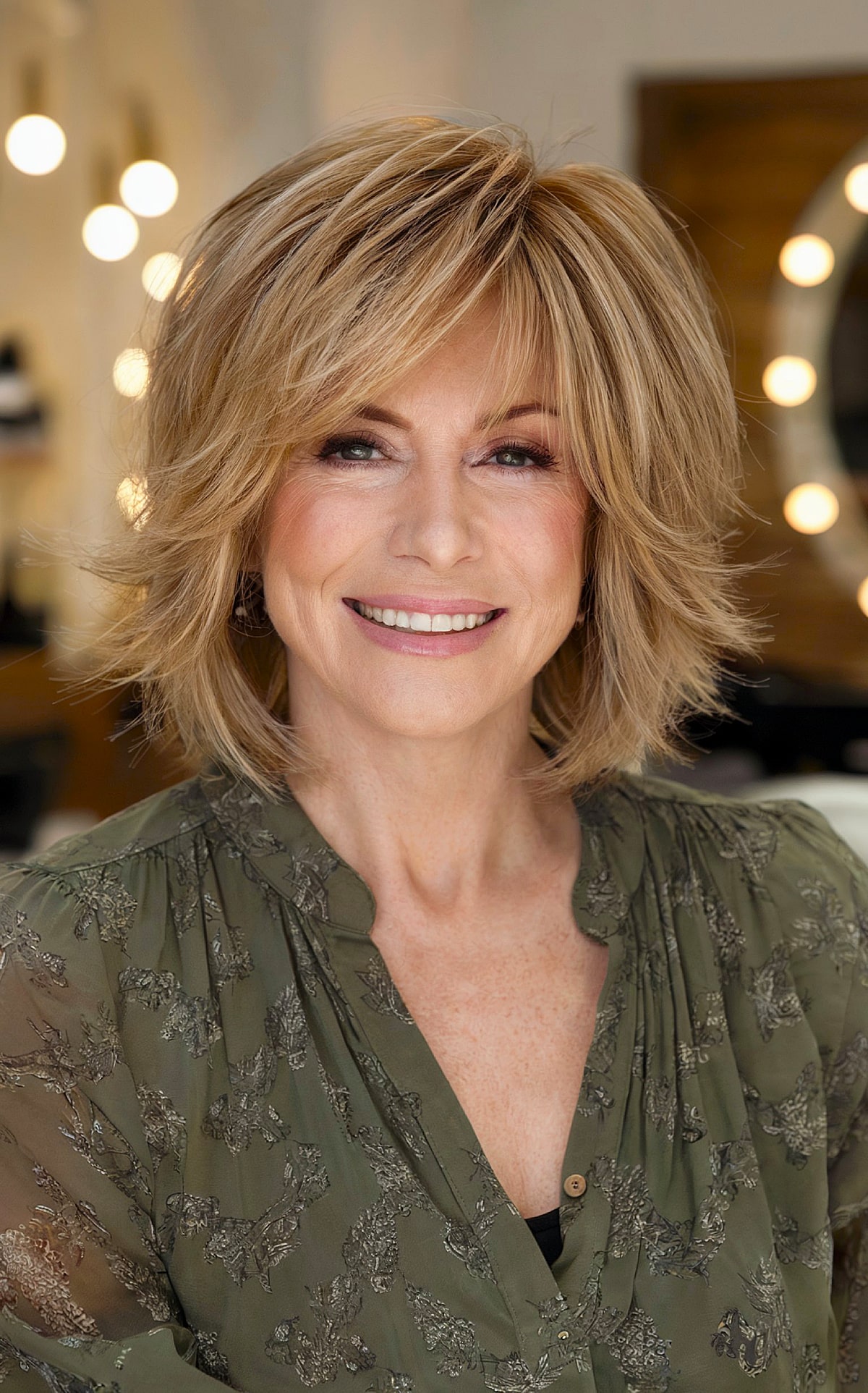
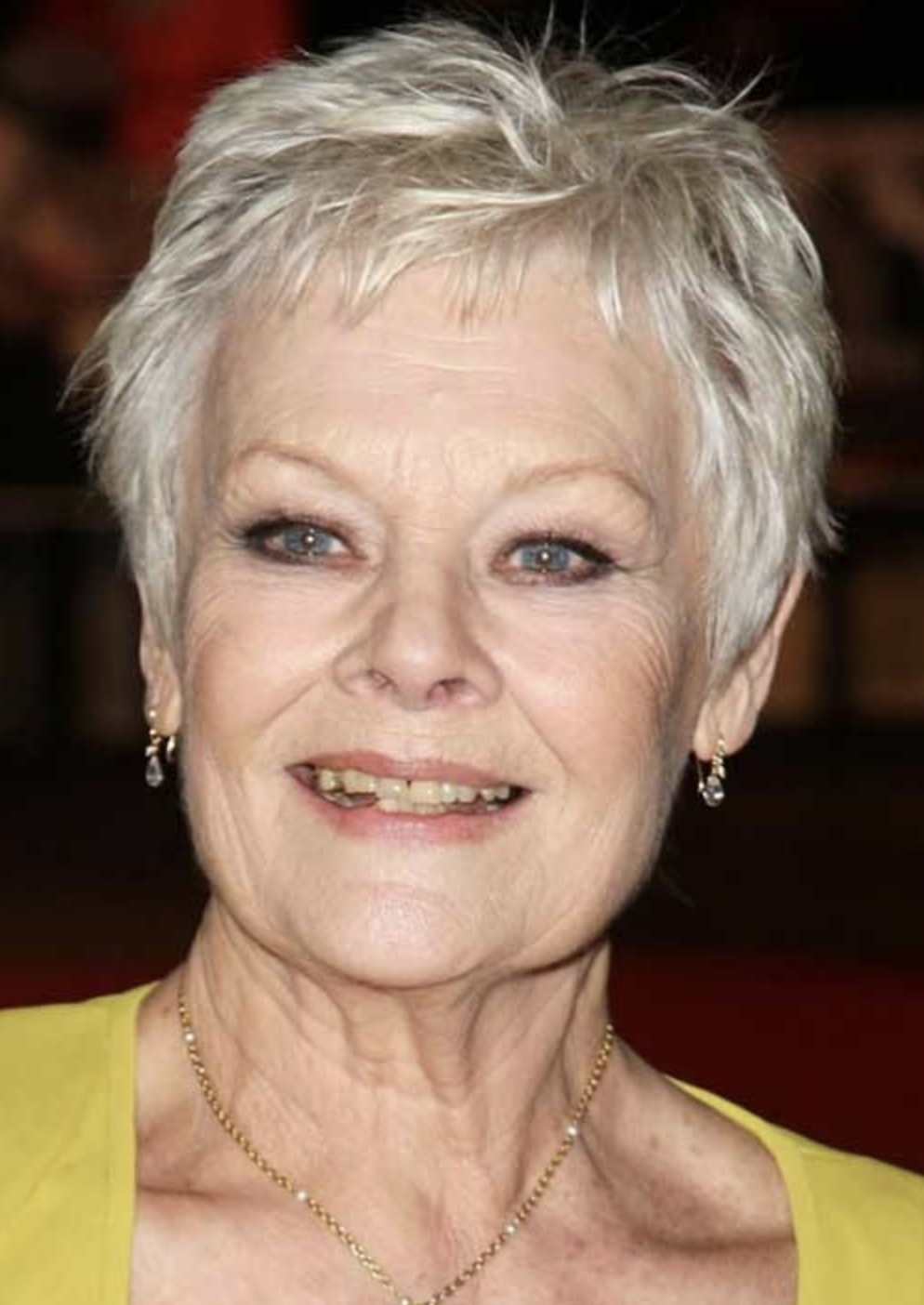
This style blends elements of three distinct cuts. A foundational cut establishes the overall shape and length. Textured layers, often heavily incorporated throughout the crown and sides, create the “shaggy” dimension. The “mullet” element introduces a contrast in length, with shorter hair on the top and sides and a longer back section. Variations exist depending on the desired degree of layering, length disparities, and overall silhouette.
This blended style offers versatility and a modern twist on classic cuts. It can be adapted to suit different hair textures and face shapes, providing volume and movement for finer hair while offering a structured yet relaxed look for thicker hair. The layered aspect contributes to a low-maintenance style, allowing for natural texture and reducing styling time. This contemporary iteration of retro influences draws upon the rebellious and individualistic connotations of its predecessors, offering a stylish and expressive option.
This overview provides a foundation for understanding the nuances of this trending hairstyle. Further exploration will delve into specific styling techniques, product recommendations, and advice for choosing the right variation based on individual hair characteristics and desired aesthetic.
1. Layered Texture
Layered texture forms the foundation of the modern shaggy layered mullet, differentiating it from its predecessors and contributing significantly to its contemporary appeal. The strategic placement of layers, often concentrated around the crown and tapering down the sides, creates volume and movement, essential for adapting the style to various hair densities and textures. Without layering, the mullet risks appearing flat or dated. In finer hair, layers create an illusion of fullness, while in thicker hair, they remove weight and allow for greater manageability. This layering technique distinguishes the modern mullet from the more solid, blunt cuts of the past.
Consider the impact of layering on the overall silhouette. Shorter, choppy layers create a more distinct, edgy texture, enhancing the “shaggy” aspect of the style. Longer, softer layers contribute to a flowy, more romantic look. The interplay of these layers allows for personalized variations, ensuring the cut complements individual facial features and desired aesthetics. For instance, face-framing layers can soften angular features, while layers concentrated at the crown can add height and balance to rounder faces. This customization potential contributes to the style’s widespread popularity.
Understanding the role of layered texture is crucial for both stylists and individuals considering this cut. Achieving the desired look requires careful consideration of hair type, face shape, and styling preferences. Consultation with a skilled stylist is essential for determining the appropriate layering technique to achieve a balanced, flattering result. This knowledge empowers individuals to make informed decisions, ensuring the final look aligns with their personal style and enhances their overall appearance.
2. Length Variation
Length variation is the defining characteristic of the mullet, distinguishing it from other layered hairstyles and contributing significantly to its versatility. The interplay between shorter front and side sections and a longer back creates a dynamic silhouette, adaptable to individual preferences and stylistic choices. Understanding the nuances of length variation is essential for creating a balanced and personalized look.
-
Classic Mullet Contrast
This traditional approach involves a marked difference in length, with significantly shorter hair on top and at the sides, gradually lengthening towards the nape and culminating in a pronounced longer back. This high-contrast variation creates a bold, retro-inspired look. The dramatic length difference requires careful balancing to avoid appearing dated; modern interpretations often incorporate textured layers to soften the transition and add contemporary flair.
-
Subtle Length Difference
A more understated approach features a less dramatic length variation. The back remains slightly longer than the front and sides, creating a subtle elongation that adds movement and shape without the dramatic contrast of the classic mullet. This subtler variation offers a modern, wearable take on the style, suitable for those seeking a less extreme look while retaining the mullet’s signature silhouette. It seamlessly blends with current hair trends, offering a versatile option adaptable to diverse settings.
-
Tailored Back Length
The length of the back section can be tailored to suit individual preferences and hair characteristics. A shorter back offers a less dramatic, more manageable style, while a longer back allows for greater versatility in styling, including braids, ponytails, or simply letting the hair flow freely. This customization option allows individuals to personalize the mullet to complement their overall style and lifestyle. The back length plays a crucial role in determining the overall impression, ranging from edgy and rebellious to soft and romantic.
-
Face-Framing Layers
The interplay between the shorter front and side sections and the longer back can be further enhanced with carefully placed face-framing layers. These layers soften the transition between lengths, create visual interest around the face, and can be used to accentuate or soften facial features. They contribute significantly to the overall balance and harmony of the cut. The length and texture of these layers can be adjusted to complement individual face shapes and hair textures, ensuring a personalized and flattering result.
These variations in length offer a range of styling possibilities, enabling individuals to personalize the shaggy layered mullet and make it their own. From subtle adjustments to bold contrasts, the choice of length differentials significantly impacts the overall aesthetic, allowing for a spectrum of expressions ranging from understated chic to rebellious and avant-garde. By carefully considering these options and working with a skilled stylist, individuals can achieve a look that harmonizes with their features, personal style, and desired level of impact.
3. Styling Flexibility
Styling flexibility is a key advantage of the shaggy layered mullet, offering a wide spectrum of styling options to suit various occasions and personal aesthetics. This adaptability stems from the interplay of layered texture and length variation, enabling diverse looks ranging from casual and tousled to polished and refined. The inherent texture created by the layers provides a foundation for effortless styling, reducing reliance on heat tools and styling products. This low-maintenance aspect contributes to the cut’s practicality for everyday wear.
Several styling approaches highlight the versatility of this cut. A textured, tousled look can be achieved using texturizing sprays or simply air-drying the hair, embracing natural waves or curls. This approach emphasizes the “shaggy” element, creating a relaxed, undone vibe. Alternatively, a sleeker finish can be achieved using a smoothing serum and a round brush during blow-drying, emphasizing the layered structure and creating a more polished appearance. The longer back section offers further styling options: it can be straightened for a sleek, modern feel, curled for a softer, more romantic look, or even braided for added visual interest and complexity. The incorporation of accessories, such as hair clips or headbands, further expands the styling possibilities, allowing for personalized expression.
The ability to adapt the shaggy layered mullet to diverse styles contributes significantly to its contemporary appeal. This adaptability caters to individual preferences and allows for seamless transitions between different settings, from casual daytime activities to more formal evening occasions. Understanding the styling potential of this cut empowers individuals to explore various looks and express their unique style. This flexibility also offers practical advantages, reducing styling time and effort while providing a range of options for different hair textures and face shapes. The shaggy layered mullet transcends fleeting trends, offering a canvas for personal expression and ensuring its enduring relevance in the evolving landscape of hairstyling.
The Shaggy Layered Mullet
This exploration has highlighted the multifaceted nature of the shaggy layered mullet, demonstrating its evolution from retro influences to a contemporary expression of personal style. The interplay of layered texture, length variation, and styling flexibility allows for personalized adaptations across diverse hair types and facial structures. Its adaptability extends from casual, tousled aesthetics to more polished, refined presentations, underscoring its versatility for various settings and individual preferences. The examination of layering techniques emphasized the importance of strategic placement to achieve desired volume and movement, while the analysis of length variations revealed a spectrum of options, from subtle contrasts to bold statements.
The shaggy layered mullet stands as a testament to the dynamic interplay between classic inspiration and modern innovation in hairstyling. Its enduring appeal lies in its capacity for individual expression, offering a canvas for personal interpretation and adaptation. This style signifies not just a trend but a versatile and adaptable approach to hairdressing, destined to remain a relevant and evolving choice for those seeking a distinctive and expressive look.