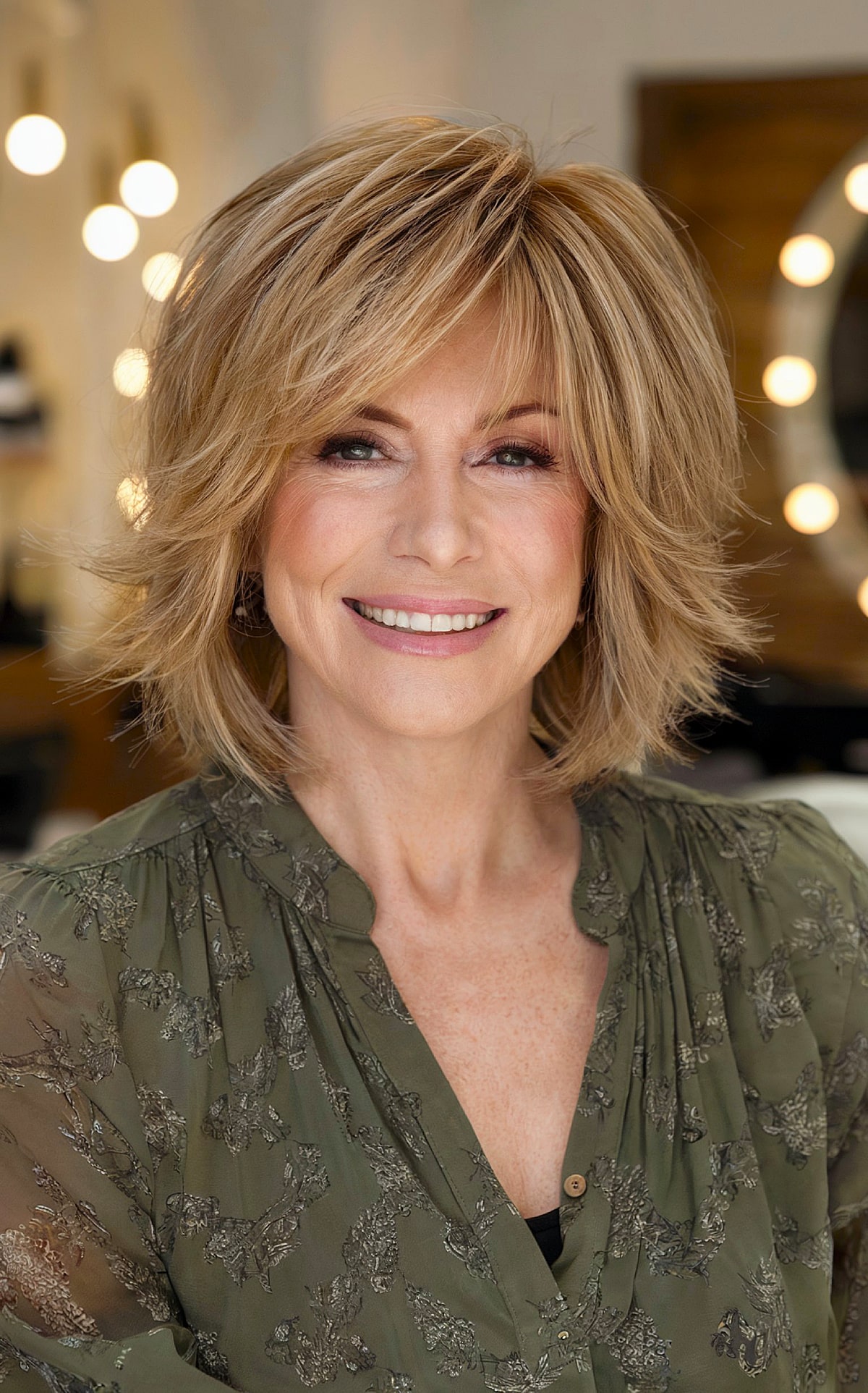
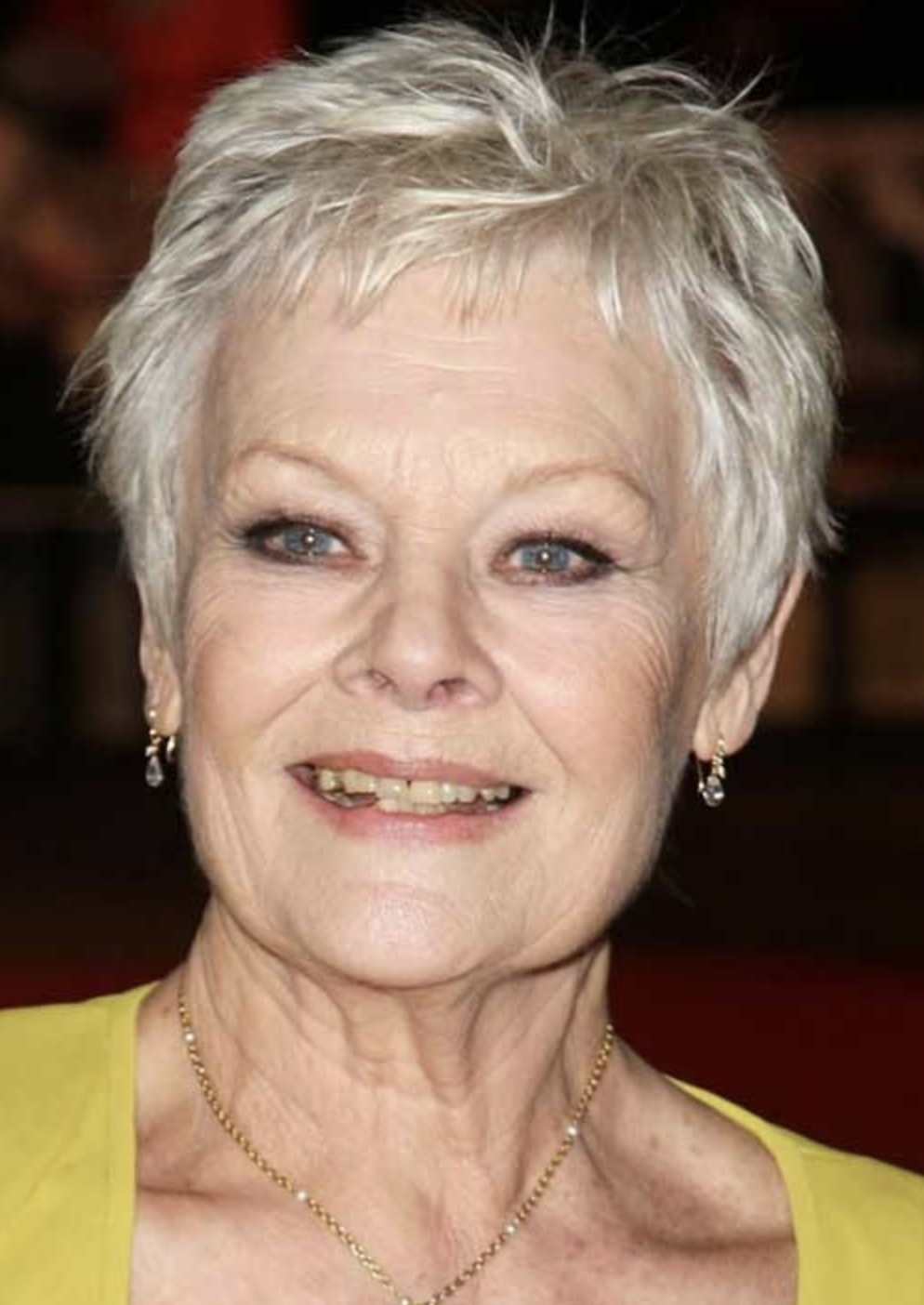
Close-cropped hairstyles designed for naturally textured hair offer a range of styling options, from wash-and-go ease to sculpted definition. These styles consider curl pattern, density, and face shape to achieve a flattering and manageable look. Examples include pixie cuts, tapered cuts, and closely cropped curls with varying degrees of layering.
Managing textured hair can be time-consuming. A well-executed, shorter style minimizes styling time and product use while maximizing volume control and overall hair health. Historically, shorter styles for textured hair have played a significant role in expressing individuality and challenging conventional beauty standards. They continue to evolve, reflecting contemporary trends while celebrating natural texture.
This article will explore various close-cropped styles tailored for textured hair, considering face shape, hair type, and lifestyle. Guidance on finding a skilled stylist, maintenance routines, and recommended products will also be provided.
1. Curl Type
Curl type significantly influences the outcome of a close-cropped cut designed for textured hair. The degree of curl, ranging from loose waves to tight coils, dictates how the hair will behave once shortened. This understanding is crucial for achieving the desired silhouette and manageability. For example, tightly coiled hair tends to shrink significantly when dry, creating more volume and height than looser curl patterns. This factor must be considered when determining the ideal length and layering for a close-cropped style. Conversely, looser curls may require more layering to avoid a heavy, triangular shape.
Categorizing curl types, often using numerical systems like the Andre Walker Hair Typing System, provides a framework for understanding how different textures respond to cutting techniques. This system classifies curls from Type 2 (wavy) to Type 4 (coily), with subcategories (A, B, C) further defining curl diameter and density. A stylist experienced with textured hair will analyze curl type to personalize the cut, adjusting techniques to complement the natural curl pattern. This expertise ensures the final look is balanced, flattering, and easy to style. For those with multiple curl patterns on one head, a skilled stylist can blend the cut seamlessly for a cohesive look.
Properly assessing curl type before a significant cut is essential to avoid unwanted outcomes. Misjudging shrinkage, density, or curl pattern can lead to a style that is either too short, too voluminous, or difficult to manage. Consulting with a stylist specializing in textured hair is highly recommended. They can provide tailored advice based on individual curl characteristics, ensuring a successful and satisfying transition to a close-cropped style. This consultation should involve a thorough discussion of styling preferences, maintenance routines, and desired outcomes.
2. Face Shape
Face shape plays a crucial role in determining which short, textured hairstyle will be most flattering. The goal is to create balance and harmony, highlighting positive features while softening or minimizing others. Understanding the relationship between face shape and hairstyle allows for informed decisions, ensuring a result that enhances overall appearance. For instance, a round face can benefit from styles that add height and length, such as a closely cropped pixie with voluminous top layers. This creates the illusion of a more oval shape. Conversely, a long face might be complemented by a style with more width at the sides, such as a curly bob that adds fullness at cheek level. This helps to balance the length of the face.
Several common face shapesoval, round, square, heart, and longeach have specific styling considerations. An oval face is generally considered the most versatile, accommodating a wide range of styles. However, even with an oval face, the goal is to maintain the natural balance. Square faces often benefit from styles that soften the jawline, while heart-shaped faces might be enhanced by styles that add fullness at the chin. Understanding these principles empowers individuals to select styles that complement their unique features, rather than working against them. A skilled stylist experienced in working with textured hair can offer expert guidance, tailoring the cut to suit individual face shapes and curl patterns.
Choosing a style that complements one’s face shape can significantly impact overall confidence and satisfaction with the final look. A well-chosen cut can draw attention to desired features, create a more balanced appearance, and ultimately enhance natural beauty. While trends come and go, understanding the fundamental principles of face shape and hairstyle selection allows for timeless and flattering looks. This knowledge enables individuals to work with their natural features, achieving a personalized style that transcends fleeting trends. Further, recognizing the interplay between face shape, curl type, and hair length provides a foundation for informed communication with a stylist, facilitating a collaborative approach to achieving the desired outcome.
3. Lifestyle
Lifestyle considerations play a significant role in determining the suitability of close-cropped, textured hairstyles. Practicality, maintenance requirements, and overall aesthetic preferences are all influenced by individual lifestyles. A thorough assessment of these factors ensures a style that not only looks good but also seamlessly integrates into daily routines and personal image.
-
Time Commitment
Styling time is a crucial factor. Wash-and-go styles offer convenience for those with busy schedules, requiring minimal product and manipulation. More intricate styles, requiring diffusing or defining individual curls, demand a greater time investment. Choosing a style aligned with available styling time minimizes frustration and ensures long-term satisfaction.
-
Profession
Certain professions may have specific grooming standards or expectations. While societal norms are evolving, some workplaces might still maintain more conservative views on hairstyles. Considering professional context helps ensure a style aligns with workplace culture while still expressing personal style. Adaptability, through styling variations, can bridge the gap between personal preference and professional requirements.
-
Activity Level
Individuals with active lifestyles, particularly those involved in sports or frequent exercise, may prefer styles that require minimal upkeep and offer secure hold. Closely cropped cuts can be ideal, minimizing hair interference during physical activity. Factors such as sweat and exposure to elements should also be considered when selecting products and styling techniques.
-
Personal Style
A hairstyle is a powerful form of self-expression. Close-cropped styles for textured hair offer diverse options, from bold and edgy to soft and romantic. Aligning the chosen style with overall personal aesthetic enhances confidence and creates a cohesive image. Considering personal style ensures a look that feels authentic and reflects individual personality.
Ultimately, the most successful close-cropped, textured hairstyle is one that harmonizes with individual lifestyle. Balancing practicality, personal preferences, and professional considerations ensures a style that not only looks great but also enhances overall confidence and seamlessly integrates into daily life. Open communication with a stylist about lifestyle factors facilitates a collaborative approach to finding the perfect cut, ensuring long-term satisfaction and ease of maintenance.
Short Haircut for Curly
Close-cropped styles for textured hair offer a versatile and empowering approach to hair management and self-expression. Careful consideration of curl type, face shape, and lifestyle factors is essential for achieving a successful outcome. Understanding the interplay between these elements ensures a harmonious balance between aesthetics, practicality, and personal style. A thorough consultation with a skilled stylist specializing in textured hair is crucial. This collaborative process enables informed decisions, resulting in a personalized style that enhances natural beauty and simplifies daily routines.
The evolution of close-cropped styles for textured hair continues to reflect broader societal shifts in beauty standards and self-acceptance. Embracing natural texture empowers individuals to challenge conventional norms and celebrate unique identities. As trends evolve, prioritizing healthy hair practices and informed styling choices remains paramount. Ultimately, a thoughtfully chosen and well-executed close-cropped style offers not just a fashionable look but a powerful statement of self-confidence and individuality.