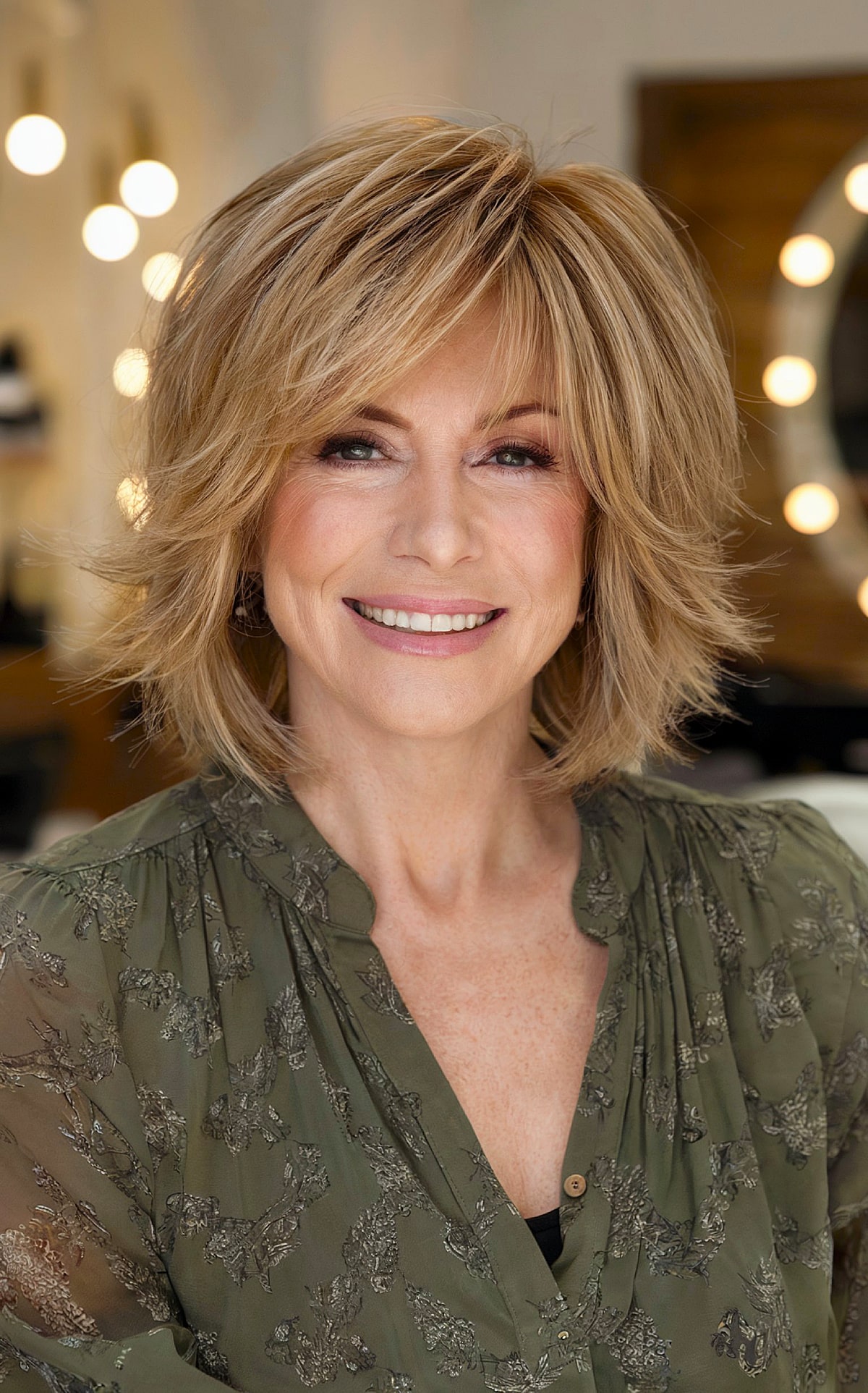
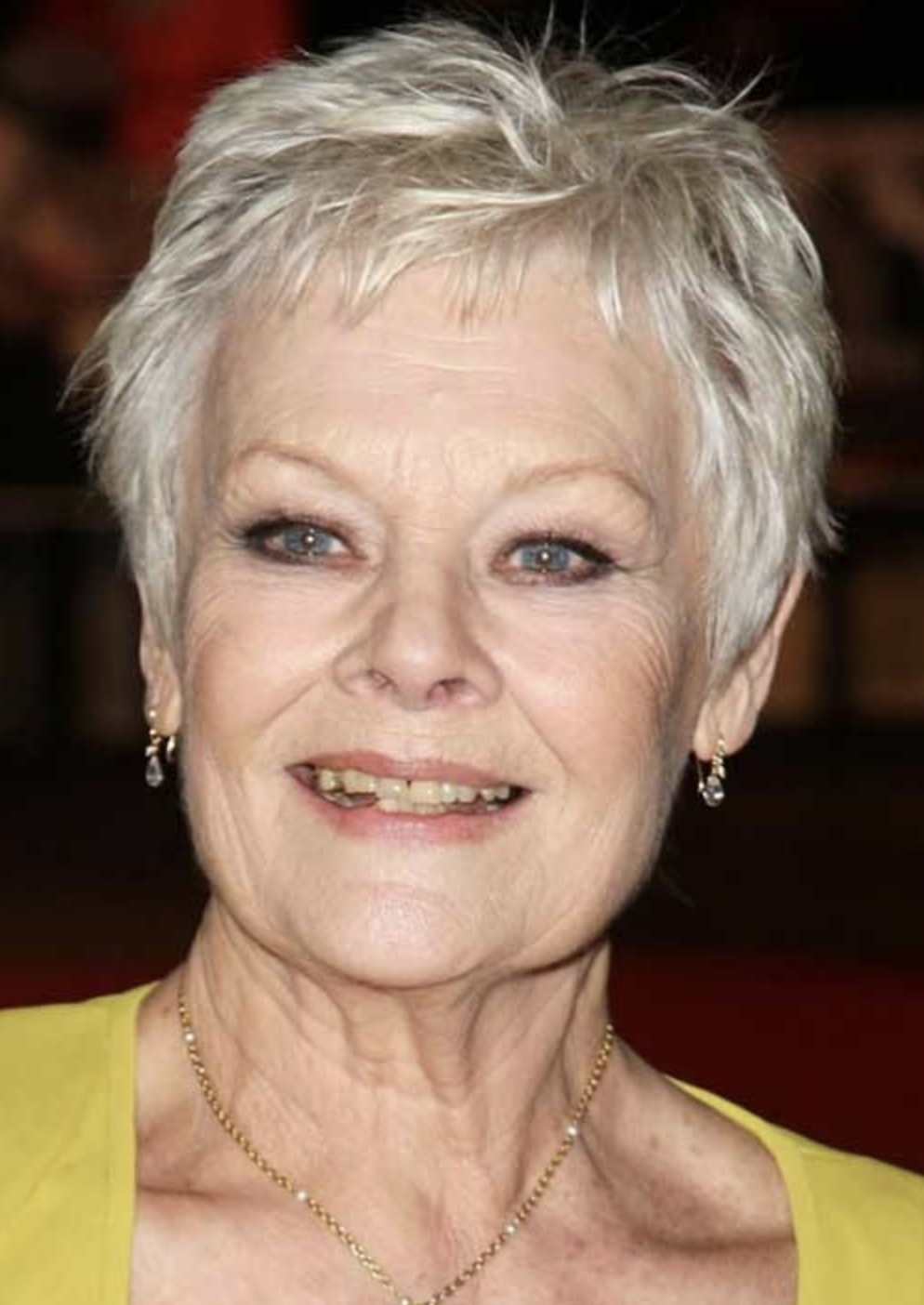
This style features stacked layers in the back, creating a voluminous, graduated effect that slopes upwards towards the front. Shorter hair at the nape of the neck and progressively longer strands towards the face produce a distinctive angled shape. A classic example might involve a nape length of around one inch gradually extending to chin-length or slightly longer in the front.
The angled cut offers a modern, chic aesthetic, often perceived as edgy and dynamic. It can add volume to fine hair and create the illusion of fullness, making it a popular choice for those seeking a boost. This style has evolved from the classic bob, offering a more contemporary twist. Its versatility allows for personalization through varying lengths, angles, and styling techniques.
Further exploration will cover variations such as the A-line bob, graduated bob, and techniques for styling and maintenance. Understanding face shapes and hair textures suitable for this cut will also be addressed.
1. Angled Cut
The angled cut forms the foundation of the inverted bob, differentiating it from other bob variations. This precise cut creates the characteristic sloping silhouette, with hair shorter at the back and gradually lengthening towards the front. The angle’s steepness dictates the drama of the style. A subtle angle results in a softer, more classic look, while a steeper angle creates a bolder, more contemporary appearance. Consider a stylist creating a subtle angle for a client seeking a professional look, versus a steeper angle for someone desiring a more avant-garde style. The angle establishes the overall structure and visual impact.
Achieving the desired angle requires technical precision. Stylists employ specific cutting techniques, often utilizing elevation and graduation, to create the seamless transition from short to long. The angle’s precision influences how the style sits and moves. An imprecise angle can result in an uneven, unbalanced look, highlighting the importance of skilled execution. For instance, a poorly executed angle might cause one side to appear longer than the other, disrupting the intended symmetry. Therefore, the angled cut’s precision is paramount to a successful inverted bob.
The angled cut allows for adaptability and personalization. Variations in the angle’s steepness, combined with layering techniques, allow stylists to tailor the inverted bob to individual face shapes and hair textures. This adaptability contributes to the style’s enduring popularity. A less severe angle might suit a round face, while a sharper angle can complement an oval or square face. Understanding the interplay between angle, face shape, and hair texture is crucial for creating a flattering and harmonious look. This customization potential establishes the angled cut as a core element of the inverted bob’s versatility.
2. Stacked Layers
Stacked layers are integral to the structure and aesthetic of the inverted bob. This layering technique, where hair is cut progressively shorter towards the nape of the neck, creates the characteristic volume and graduated shape. The stacking technique builds a foundation of shorter layers that support the longer, overlying hair, producing lift and fullness at the crown. This effect is particularly beneficial for individuals with fine or thin hair, as it creates the illusion of greater density. Consider an individual with fine, straight hair seeking a style with more body and movement. Stacked layers in an inverted bob provide the desired volume and prevent the style from appearing flat or limp. This technique contributes significantly to the overall shape and texture.
The degree of stacking influences the final look. A heavily stacked bob results in a dramatic, highly angled silhouette with significant volume at the back. A less stacked variation offers a softer, more subtle graduation. This adjustability allows stylists to tailor the cut to individual preferences and hair characteristics. For thicker hair, a heavily stacked bob can remove excess weight and create a more manageable style. Conversely, a lightly stacked bob can add subtle volume to finer hair without creating an overly voluminous appearance. Understanding the impact of stacking allows for personalized styling choices.
Successful execution of stacked layers requires technical expertise. Precision cutting ensures a seamless blend between layers, avoiding a choppy or uneven appearance. Proper blending creates a smooth transition from the shortest layers at the nape to the longest layers at the crown. This smooth graduation is crucial for achieving the polished, professional look associated with the inverted bob. Challenges can arise with improper blending, leading to a disjointed appearance. Therefore, the skill of the stylist significantly impacts the final result. Stacked layers, when expertly executed, are essential for achieving the inverted bob’s distinctive shape and volume.
3. Short Length
The “short” in “inverted bob short hairstyles” is a defining characteristic, influencing its suitability, styling options, and overall aesthetic. This characteristic distinguishes it from longer bob variations and contributes to its modern, chic appeal. Understanding the implications of short length is crucial for appreciating this style’s versatility and maintenance requirements.
-
Manageability and Convenience
Short hair, especially in the inverted bob style, offers ease of management. Washing, drying, and styling require less time and effort compared to longer hair. This convenience appeals to individuals with busy lifestyles. For example, air-drying becomes a viable option, minimizing heat styling and potential damage. This practicality contributes to the inverted bob’s popularity.
-
Emphasis on Facial Features
The short length of an inverted bob draws attention to the face, accentuating features like the jawline, cheekbones, and neck. This emphasis can be advantageous, creating a flattering frame for the face. However, careful consideration of face shape is essential. A shorter length might be ideal for oval or heart-shaped faces, while modifications might be necessary for round or square faces to achieve optimal balance. This characteristic highlights the importance of tailoring the cut to individual features.
-
Styling Versatility Despite Length
While short, the inverted bob still allows for styling variations. It can be styled sleek and straight, textured and tousled, or with curls or waves for different occasions. Product choices also play a role, with texturizing sprays adding volume and definition, while smoothing serums create a polished finish. This adaptability allows for self-expression and adaptation to different settings. For example, a sleek, straight style might suit a professional environment, while a tousled, textured look might be preferred for a casual outing. This versatility contributes to the style’s enduring appeal.
-
Maintenance and Regular Trims
Maintaining the shape and precision of an inverted bob requires regular trims. Short hair reveals grow-out more quickly than long hair, making frequent trims essential for preserving the desired silhouette. This commitment to maintenance ensures the style remains sharp and prevents it from looking overgrown or losing its defined shape. This aspect is crucial for individuals considering this style, as regular salon visits are necessary to maintain the look. This ongoing upkeep is a key factor in preserving the inverted bob’s distinct aesthetic.
The interplay of these facets, all rooted in the short length of the inverted bob, demonstrates its unique characteristics and considerations. Understanding these elements is key to appreciating its versatility and suitability for various lifestyles and preferences. The short length is not merely a measurement but a defining feature that contributes significantly to the overall impact of the inverted bob.
4. Volume and Texture
Volume and texture are crucial elements of inverted bob short hairstyles, contributing significantly to the overall aesthetic and suitability for various hair types. Understanding their interplay is essential for achieving the desired look and maximizing the style’s benefits. This exploration delves into the facets that define the relationship between volume, texture, and the inverted bob.
-
Natural Hair Texture’s Influence
Existing hair texture plays a significant role in how an inverted bob sits and behaves. Fine, straight hair benefits from the added volume created by the stacked layers, while thick, coarse hair might require texturizing techniques to prevent excessive bulk. For instance, someone with naturally wavy hair might find their waves enhanced by the layered cut, creating a naturally voluminous and textured look. Conversely, those with very straight hair might opt for styling techniques like curling or crimping to introduce texture and enhance the layered effect. The interplay between natural texture and the cut influences styling choices and the final outcome.
-
Layering and Graduation’s Impact on Volume
The stacked layers characteristic of the inverted bob create volume at the crown, lifting the hair and creating a fuller appearance. The degree of layering and graduation influences the amount of volume achieved. A highly graduated bob with significant layering creates maximum volume, while a less graduated cut offers a subtler lift. Consider a stylist creating a heavily layered, graduated bob for a client with fine hair seeking substantial volume. Conversely, a client with thicker hair might prefer a less layered approach to avoid excessive fullness. The layering technique directly impacts the overall volume and shape.
-
Styling Techniques for Enhanced Texture
Various styling techniques enhance texture within the inverted bob framework. Texturizing sprays, mousses, and pastes add definition and create a piecey, separated look. These products enhance the layered effect and create a more dynamic appearance. Techniques like blow-drying with a round brush can add volume and smooth the hair, while using a flat iron creates a sleek, polished finish. Consider someone using a texturizing spray to enhance the choppy layers of their inverted bob, creating a tousled, effortless look. Alternatively, a smoothing serum and a flat iron can achieve a sleek, sophisticated style. Styling choices contribute significantly to the final texture and overall aesthetic.
-
Achieving Balance: Volume, Texture, and Face Shape
Balancing volume and texture according to face shape is crucial for a flattering result. A round face might benefit from a less voluminous, textured bob to elongate the face, while an oval face can accommodate more volume and texture. For instance, a stylist might recommend a lightly layered, textured bob for a client with a round face, focusing volume at the crown to create height and balance. Conversely, a client with an oval face might opt for a more voluminous, textured bob to accentuate their features. The interplay between volume, texture, and face shape is essential for creating a harmonious and personalized look.
These interconnected facets demonstrate that volume and texture are integral components of the inverted bob. Their skillful manipulation, considering individual hair characteristics and desired outcomes, transforms a simple haircut into a personalized style statement. The balance achieved between these elements contributes significantly to the inverted bob’s versatility and enduring popularity.
Inverted Bob Short Hairstyles
This exploration has delved into the multifaceted nature of inverted bob short hairstyles, examining the elements that contribute to its distinctive aesthetic and enduring popularity. From the foundational angled cut and stacked layers to the impact of short length on manageability and styling versatility, each facet plays a crucial role in the overall effect. The interplay of volume and texture, influenced by natural hair characteristics and styling techniques, further enhances the style’s adaptability and personalization potential. Understanding the technical precision required for execution and the importance of tailoring the cut to individual face shapes and hair textures underscores the expertise involved in achieving a successful and flattering result.
The inverted bob transcends fleeting trends, offering a dynamic and adaptable style that empowers individuals to express their unique personalities. Its versatility allows for seamless transitions between professional and casual settings, making it a timeless choice for those seeking a contemporary yet classic look. Further exploration of individual styling techniques and product recommendations can enhance one’s understanding and ability to personalize this versatile cut. Ultimately, the inverted bob remains a testament to the power of a well-executed haircut to enhance confidence and individual style.