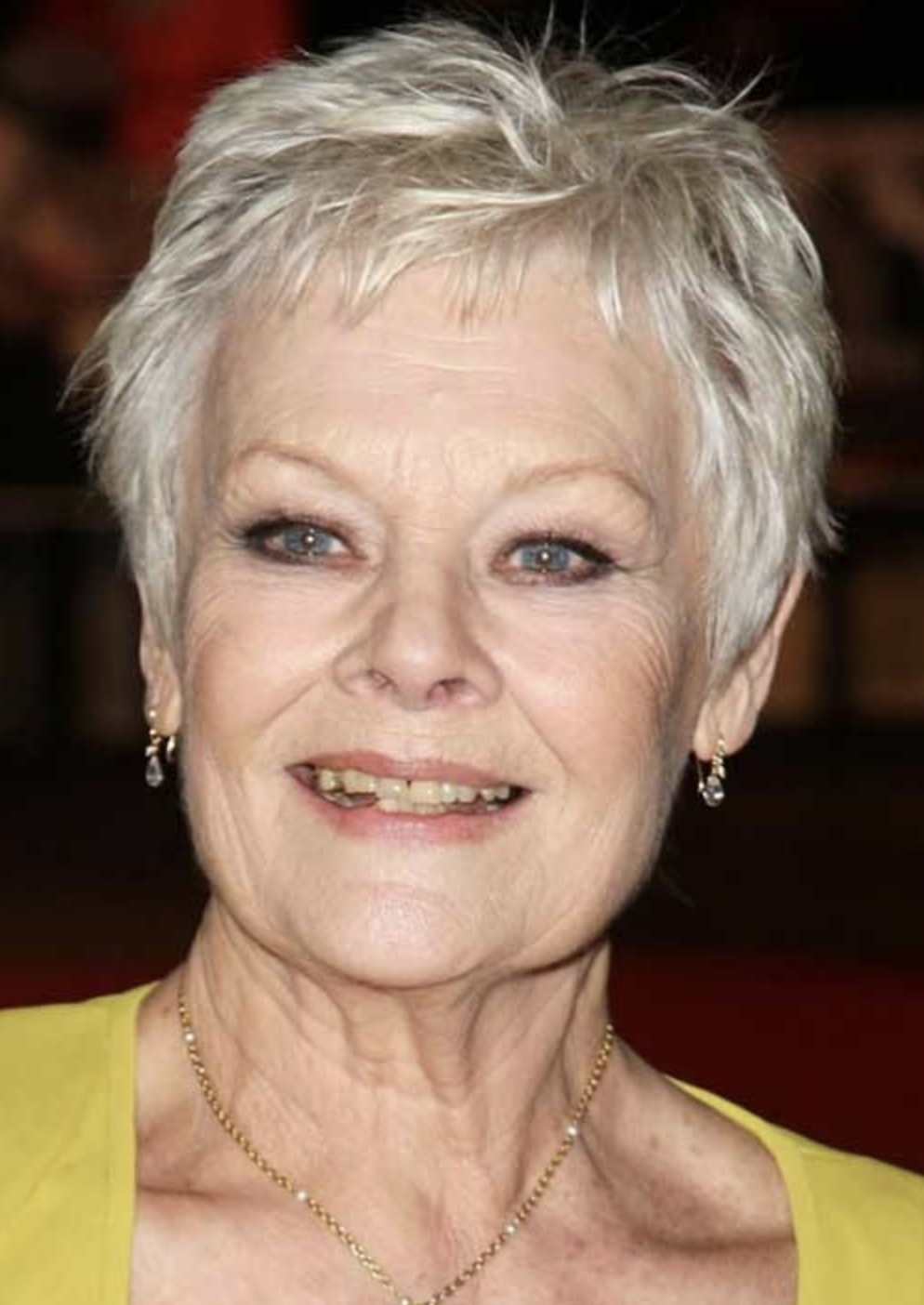
Close-cropped cuts, often featuring tapered sides and back with slightly longer textured layers on top, offer a range of styling options. These styles can vary from gamine and androgynous to soft and feminine, depending on the specific cut and how it’s styled. Think of iconic figures like Twiggy or Halle Berry for classic examples.
Such styles offer low-maintenance convenience and a chic, modern aesthetic. They can accentuate facial features, particularly cheekbones and eyes, and provide a refreshing change from longer hair. Historically, shorter hairstyles for women gained popularity in the early to mid-20th century as a symbol of liberation and breaking with traditional gender norms. This association with empowerment and individuality continues to resonate today.
This exploration will delve into variations of these closely cropped styles, covering topics such as face shape suitability, styling techniques, and maintenance advice.
1. Face Shape Suitability
Face shape plays a crucial role in determining whether a pixie cut will be flattering. A skilled stylist analyzes facial features and bone structure to create a harmonious balance. For instance, a long face benefits from a pixie with added width at the sides, perhaps through textured layers or a slightly longer side-swept fringe. This counteracts the length and creates the illusion of a more oval shape. Conversely, a round face requires height and volume on top to elongate the face. A pixie with a short, tapered back and sides, combined with longer, textured layers on top, achieves this effect. Ignoring face shape can result in a cut that accentuates undesirable features rather than enhancing natural beauty.
Specific pixie cut variations work well with particular face shapes. Heart-shaped faces, characterized by a wider forehead and a pointed chin, suit pixies with a soft, side-swept fringe to balance the forehead width. Square faces, with their strong jawlines, can be softened by a pixie with wispy layers and texture around the face, minimizing the angularity. Diamond-shaped faces, widest at the cheekbones, benefit from styles that add fullness at the forehead and jawline, balancing the mid-face width. Understanding these relationships allows for informed decisions, leading to a style that complements individual features.
Careful consideration of face shape suitability is essential for achieving a successful pixie cut. This analysis, combined with an understanding of hair texture and personal style, empowers individuals to choose a pixie variation that enhances their appearance and boosts confidence. Consultation with a skilled stylist is invaluable in determining the most flattering and personalized approach.
2. Hair Texture
Hair texture significantly influences the suitability and outcome of a pixie cut. Understanding the interplay between texture and style is essential for achieving a desired look and ensuring ease of styling and maintenance. This involves considering factors such as hair density, thickness, and curl pattern.
-
Fine Hair
Fine hair textures often lack volume, making achieving a full-bodied pixie challenging. Choppy layers and texturizing techniques can create the illusion of thickness. Avoiding blunt cuts prevents the hair from appearing too thin or flat. Products designed to boost volume are beneficial for styling. Pixies with shorter lengths generally work better with fine hair, as longer layers can emphasize the lack of volume.
-
Thick Hair
Thick hair can create excessive volume in a pixie cut if not managed correctly. Thinning shears or razoring techniques can reduce bulk and create a more manageable shape. Layered pixies prevent a bulky, helmet-like appearance. Texturizing products and styling techniques help control volume and add definition.
-
Curly Hair
Curly hair presents unique considerations for pixie cuts. The curl pattern determines the overall shape and volume of the style. Working with the natural curl, rather than against it, is crucial. Longer, layered pixies often work well, allowing the curls to form and create texture. Defining products enhance curl definition and minimize frizz. Shorter pixies can be achieved with careful cutting and styling techniques to manage volume and shape.
-
Straight Hair
Straight hair offers versatility in pixie cuts, accommodating various lengths and styles. Blunt cuts create sharp, geometric shapes, while layered cuts add texture and movement. Styling products can add volume, texture, or sleekness, depending on the desired look. Straight hair lends itself well to both classic and edgy pixie variations.
Considering hair texture is paramount when choosing a pixie cut. A successful outcome depends on selecting a style that complements natural texture and utilizes appropriate cutting and styling techniques. This ensures a flattering and manageable style that enhances individual features and personal style.
3. Styling Versatility
Styling versatility stands as a significant advantage of pixie cuts. This adaptability arises from the interplay of layered lengths, textured ends, and the ability to manipulate the hair’s direction and volume. A well-executed pixie can transition seamlessly from sleek and professional to tousled and casual, offering diverse styling options to suit various occasions and moods. This characteristic allows individuals to express different facets of their personalities through a single haircut, enhancing its appeal.
Several techniques and products contribute to this versatility. Texturizing pastes or clays add definition and separation, creating a piecey, undone look. Moulding waxes offer stronger hold and control, allowing for sculpted styles with more defined shapes. Smoothing serums or creams create polished, sleek finishes. The use of a round brush and hairdryer can add volume and lift at the roots, while a flat iron can create smooth, straight styles. These tools and products, coupled with varying parting positions and the incorporation of accessories like headbands or hair clips, expand the range of achievable looks.
Consider a pixie with slightly longer layers on top. For a professional setting, the hair can be styled sleekly with a side part, using a smoothing serum to control flyaways. For an evening out, the same cut can be transformed with texturizing paste, creating a tousled, voluminous look. Alternatively, a deep side part with a dramatic sweep across the forehead adds a touch of Hollywood glamour. This inherent adaptability empowers individuals to experiment with different styles, enhancing self-expression and personal style evolution. Understanding the versatility of pixie cuts and the techniques to achieve various looks maximizes the benefits of this dynamic hairstyle.
4. Maintenance Requirements
Maintaining the desired shape and style of a pixie cut requires consistent upkeep. Short hair grows at the same rate as long hair, but the shorter length makes new growth more noticeable, affecting the overall style more quickly. Regular trims, typically every 4-6 weeks, are essential to prevent the pixie from losing its definition and becoming overgrown. This frequency helps maintain the precise lines and layering that define the cut, ensuring the style remains fresh and flattering.
Neglecting regular trims can lead to several undesirable outcomes. The carefully crafted shape loses its structure, resulting in an unkempt appearance. The weight of the growing hair can flatten the style, diminishing volume and texture. Furthermore, longer lengths can obscure facial features the pixie was initially designed to accentuate. For instance, a pixie with a short, tapered back and sides, designed to elongate a round face, can start to round the face again as the back and sides grow out. Therefore, adhering to a regular trimming schedule is crucial for preserving the integrity and aesthetic benefits of the pixie cut.
While regular trims represent the primary maintenance requirement, other aspects contribute to the overall upkeep. These include regular washing and conditioning to maintain hair health and manageability. Styling products, specifically designed for short hair, help achieve desired textures and control. These might include texturizing sprays, waxes, or pomades. Additionally, using appropriate tools like small round brushes or flat irons aids in styling and achieving specific looks. Ultimately, understanding the maintenance requirements and incorporating them into a routine ensures the pixie cut continues to look its best, maximizing its stylistic impact.
5. Personal Style Expression
Pixie cuts offer a powerful medium for personal style expression. The versatility of these styles, ranging from gamine and classic to edgy and unconventional, allows individuals to project a wide spectrum of aesthetics. This capacity for self-expression extends beyond mere aesthetics, reflecting personality, values, and even social or cultural affiliations. A pixie cut can communicate boldness and confidence, artistic flair, or a minimalist sensibility. The choice of specific variations, such as a long, sweeping fringe versus a choppy, textured crown, further refines this expression, aligning the hairstyle with individual nuances of personal style.
Consider the contrast between a neatly styled, classic pixie and an undercut pixie with vibrant color. The former might project an image of sophistication and professionalism, suitable for a corporate environment or a classic, timeless aesthetic. The latter, however, conveys a sense of rebellion, creativity, and individuality, potentially aligning with artistic pursuits or a desire to challenge conventional norms. These examples demonstrate how seemingly minor variations within the pixie cut framework can communicate vastly different messages about personal style and identity. Furthermore, the adaptability of pixies allows for evolution and change, reflecting shifts in personal style over time.
Understanding the expressive potential of pixie cuts facilitates informed choices. Consultation with a stylist, exploring different variations, and considering factors such as face shape, hair texture, and lifestyle contribute to selecting a style that authentically reflects individual preferences. This connection between hairstyle and self-expression underscores the significance of the pixie cut as more than just a haircut; it becomes a statement of personal identity and a tool for navigating social and cultural landscapes.
Conclusion
Women’s short pixie hairstyles encompass a diverse range of styles, each offering unique aesthetic possibilities. Careful consideration of face shape, hair texture, and personal style preferences is crucial for selecting a flattering and manageable cut. Maintaining the chosen style requires regular trims and appropriate styling techniques. From classic and sophisticated to edgy and bold, these short, cropped cuts provide a canvas for self-expression and adaptability.
Ultimately, the enduring appeal of these hairstyles lies in their ability to empower individuals to embrace a look that reflects confidence, individuality, and a contemporary aesthetic. Exploring the various options and understanding the nuances of these styles allows for informed decisions, leading to a truly personalized and empowering hairstyle choice.