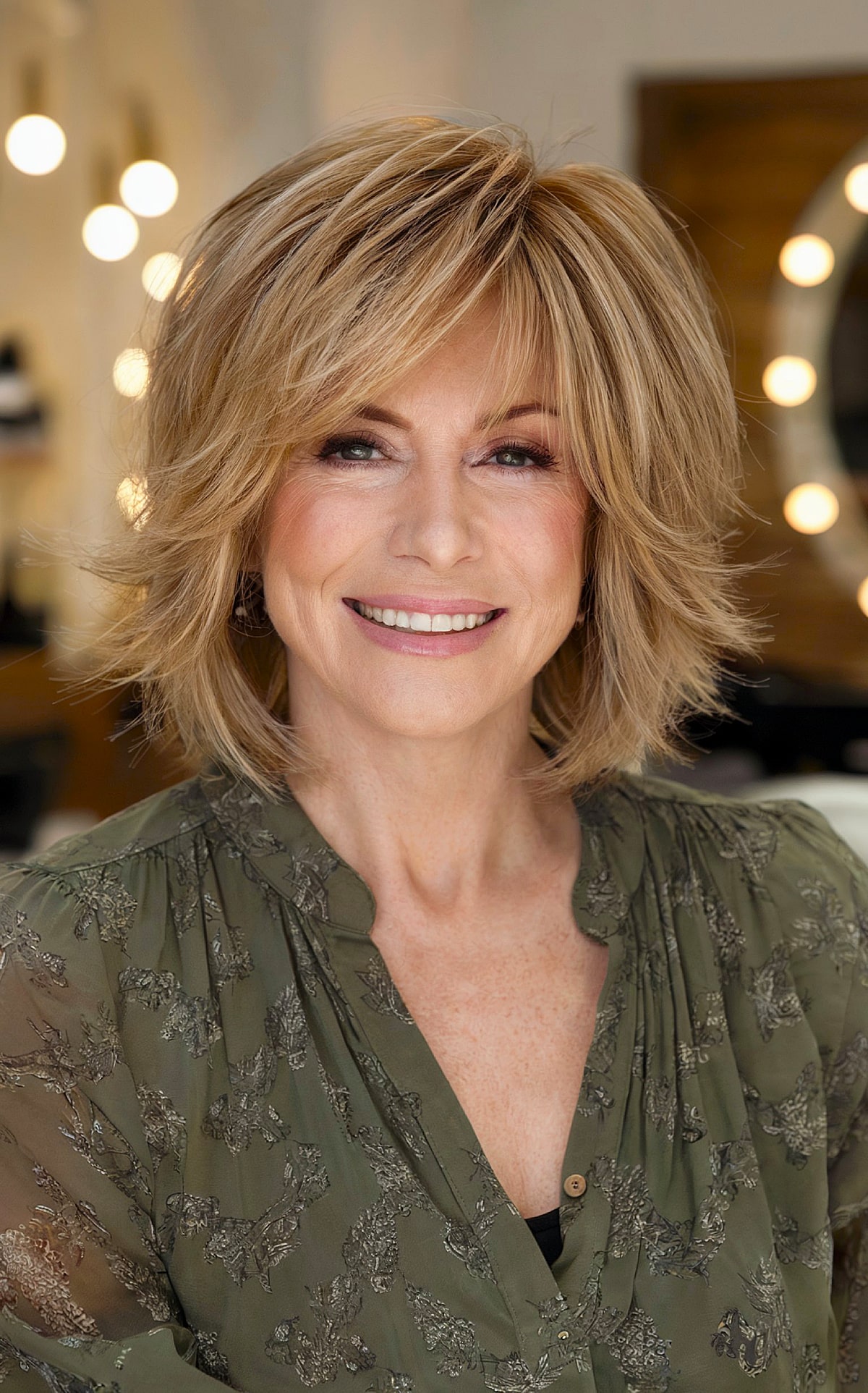
Dark hair, cut to a shorter length, can be enhanced with lighter strands woven throughout. This technique adds dimension and depth, creating a vibrant, textured look. For example, subtle caramel streaks in deep brown hair can provide a sun-kissed effect, while bolder copper tones introduce a striking contrast.
Adding lighter shades to shorter, darker hairstyles offers numerous advantages. It can brighten the complexion, soften facial features, and create an illusion of fullness and movement. Historically, highlighting techniques have evolved from simple sun-bleaching to sophisticated coloring processes, demonstrating a persistent desire for enhancing natural hair color. The current focus on personalized color allows individuals to select shades that complement their skin tone and individual style, making this a highly sought-after salon service.
This article will delve into the various techniques used to achieve this look, explore popular color choices, and offer advice on maintenance and aftercare. Specific topics will include choosing the right shade, finding a qualified stylist, and preserving color vibrancy at home.
1. Color Choice
Selecting the appropriate highlight color is paramount for achieving a flattering and natural-looking result on dark, short hair. The wrong shade can appear artificial or clash with the base color, while the right shade can enhance natural undertones and create a harmonious, multi-dimensional effect. The following considerations are essential when choosing a highlight color:
-
Skin Tone Harmony
Highlight colors should complement the individual’s skin tone. Warm skin tones generally harmonize with golden, honey, and caramel highlights. Cool skin tones are often enhanced by ash, beige, and platinum hues. Choosing a highlight color that clashes with the skin’s undertones can result in a washed-out or unbalanced appearance.
-
Base Color Depth
The natural brunette shade significantly influences the choice of highlights. Light brown hair can accommodate a wider range of highlight colors, from subtle honey tones to bolder copper shades. Darker brown hair often benefits from warmer highlights, like caramel or toffee, to create a noticeable yet natural contrast. Attempting to lift very dark hair to extremely light shades can result in damage and require frequent touch-ups.
-
Desired Level of Contrast
The level of contrast desired dictates the lightness of the highlights. For a subtle, sun-kissed effect, highlights should be only a few shades lighter than the base color. A more dramatic look can be achieved with higher contrast highlights, creating a bolder statement. The length of the hair also plays a role; shorter hair may require less dramatic contrast to avoid an overly highlighted appearance.
-
Maintenance and Upkeep
Certain highlight colors require more frequent upkeep than others. High-contrast highlights, particularly lighter shades, will necessitate more regular touch-ups to maintain the desired look as the roots grow out. Subtle, low-contrast highlights require less maintenance. The individual’s lifestyle and commitment to salon visits should be considered when selecting a highlight color.
Careful consideration of these factors ensures a seamless blend between the highlights and the base color, resulting in a vibrant, natural-looking enhancement. The chosen color should complement the individual’s overall appearance, enhancing their features and creating a personalized style.
2. Application Technique
The application technique employed significantly impacts the final result of highlights on dark, short hair. Different techniques offer varying levels of control over highlight placement, saturation, and overall aesthetic. The relationship between technique and outcome is crucial for achieving the desired look. For example, balayage creates a soft, blended effect, ideal for natural, sun-kissed highlights, while traditional foiling allows for precise placement and greater lift, suitable for bolder, more defined highlights. Understanding these nuances is essential for both the stylist and the client.
Several techniques are commonly used for highlighting short, brunette hair. Balayage involves hand-painting lightener onto the hair, creating a gradual, natural-looking transition between dark and light shades. This technique is particularly suited to shorter styles as it offers greater control and allows for precise placement of highlights. Foiling, a more traditional method, involves sectioning the hair and wrapping strands in foil with lightener, creating a more uniform and controlled highlight. This technique is effective for achieving brighter, more dramatic results. The choice of technique depends on the desired outcome, hair texture, and the stylist’s expertise.
Successful highlighting relies heavily on proper technique. Incorrect application can lead to uneven color, brassy tones, or damage to the hair. Skilled stylists understand how to adapt techniques based on individual hair characteristics and desired results. This expertise ensures a natural and flattering look, minimizes damage, and promotes the longevity of the color. Consultation with a qualified stylist is crucial for determining the most appropriate technique and achieving the desired outcome.
3. Hair Health
Maintaining optimal hair health is paramount when considering lightening processes, especially for brunette short hair. The chemical process involved in lifting color can compromise the hair’s structural integrity, leading to dryness, breakage, and overall diminished vibrancy. Prioritizing hair health before, during, and after highlighting ensures the desired outcome is achieved without sacrificing the hair’s long-term condition.
-
Pre-Highlighting Condition
The hair’s condition before highlighting significantly impacts the final result and its ability to withstand the chemical process. Healthy, well-nourished hair is more resilient and less prone to damage. Regular deep conditioning treatments in the weeks leading up to the appointment can strengthen the hair shaft and mitigate potential damage. Existing damage, such as split ends or excessive dryness, should be addressed prior to highlighting to prevent further compromise.
-
Professional Product Selection
The choice of lightening products and developers directly influences the level of damage incurred during the highlighting process. Professional-grade products often contain conditioning agents and protective ingredients that minimize stress on the hair. Stylists experienced in working with dark hair understand the appropriate product formulations and developer strengths to achieve the desired lift while preserving hair integrity. Using inferior products can result in excessive dryness, breakage, and uneven color.
-
Post-Highlighting Care
Maintaining highlighted hair requires a dedicated regimen of care and maintenance. Color-safe shampoos and conditioners formulated for chemically treated hair help preserve color vibrancy and prevent fading. Regular deep conditioning treatments replenish moisture and strengthen the hair, counteracting the drying effects of the lightening process. Limiting heat styling and protecting hair from environmental stressors, such as sun exposure, further safeguards hair health and prolongs color vibrancy.
-
Long-Term Health Management
Sustaining healthy highlighted hair requires ongoing attention and proactive measures. Regular trims remove split ends and prevent further breakage, maintaining the overall appearance and feel of the hair. Incorporating protein-rich treatments into the hair care routine strengthens the hair shaft and improves elasticity, minimizing future damage. Continuously assessing the hair’s condition and adjusting the care regimen accordingly ensures the hair remains healthy and vibrant in the long term.
Highlighting dark, short hair can create stunning results when hair health is prioritized. By addressing these key facets, individuals can enjoy vibrant, dimensional color without compromising the long-term health and integrity of their hair. This proactive approach ensures that the highlighted hair remains healthy, lustrous, and manageable.
Brunette Short Hair Highlights
Elevating brunette short hair through highlighting involves a nuanced understanding of color selection, application techniques, and ongoing maintenance. Achieving a harmonious blend of color and maintaining hair health requires careful consideration of individual factors such as skin tone, base color depth, and desired level of contrast. Appropriate application techniques, ranging from balayage to foiling, are crucial for achieving the desired aesthetic and minimizing damage. Furthermore, a dedicated hair care regimen, incorporating color-safe products and regular deep conditioning treatments, is essential for preserving color vibrancy and overall hair health.
Ultimately, successful highlighting relies on a holistic approach that prioritizes both aesthetic goals and hair health. Skilled consultation with a qualified stylist, combined with informed decision-making and diligent aftercare, ensures that brunette short hair highlights enhance natural beauty while preserving the long-term integrity of the hair. This comprehensive approach allows individuals to explore the transformative potential of highlights while maintaining healthy, vibrant, and resilient hair.